Could living in one unit while your tenant helps pay the mortgage work in Grand Rapids? If you are weighing rising housing costs against your long-term goals, house hacking might be the tool that gets you in the door. In this guide, you’ll learn how house hacking works here, how to finance it, how to model cash flow with realistic assumptions, and the local rules to check before you buy. Let’s dive in.
What house hacking looks like here
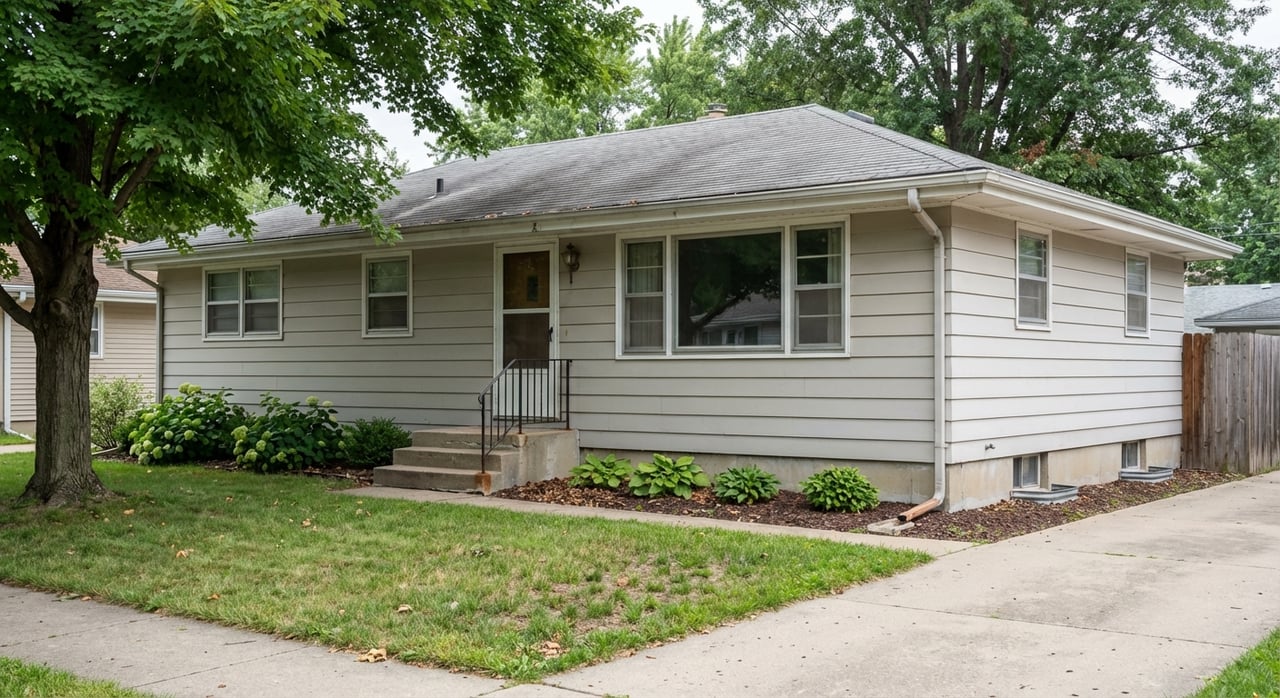
House hacking means you live in one part of a property and rent the other part to offset your costs. Around Grand Rapids and Kent County, you often see classic two‑unit and three‑unit buildings in near‑urban neighborhoods, older streetcar suburbs, and areas with renovation potential. Single‑family homes with potential for an accessory dwelling unit, or ADU, are another path.
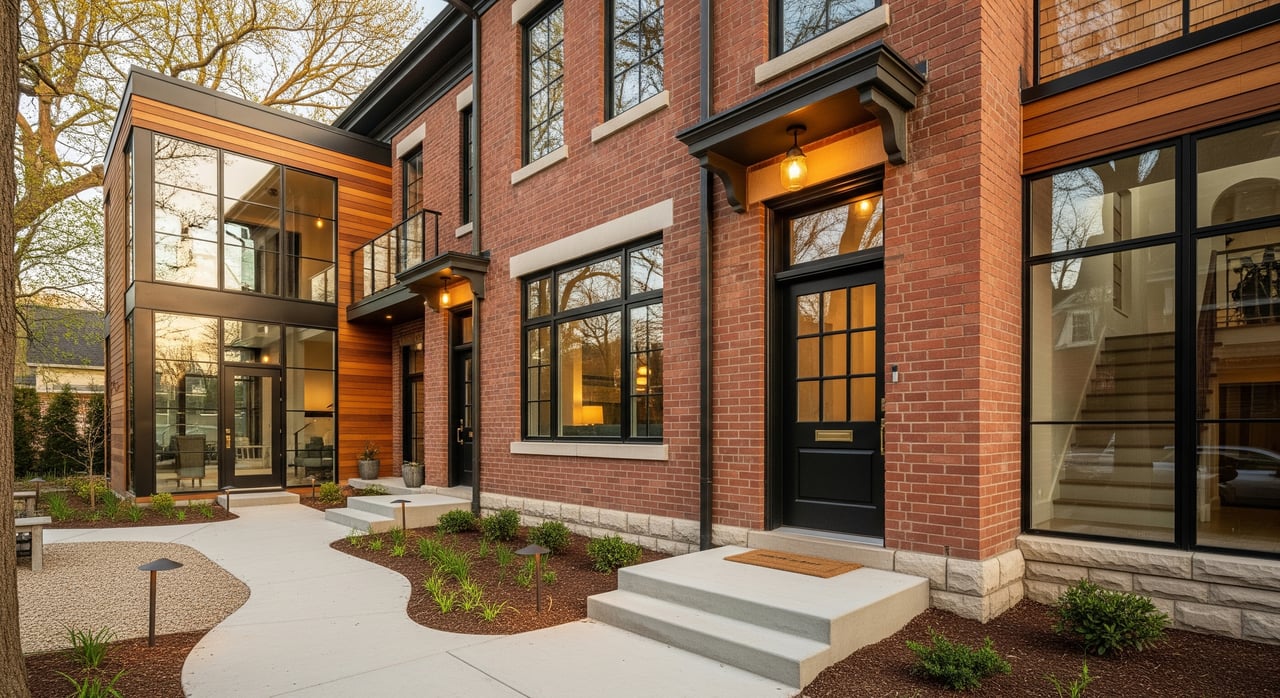
Duplex to four‑unit homes
You buy a 2–4 unit property, occupy one unit, and rent the others. This can qualify for owner‑occupied financing with lower down payments than a standard investment loan. You get immediate rental income and can spread some property expenses across multiple units. You should be ready for more maintenance and tenant management than a single‑family home.
Accessory dwelling units (ADUs)
An ADU is a secondary home on the same lot as a single‑family house, such as a basement apartment, garage apartment, or backyard cottage. You can live in the main home and rent the ADU. ADUs can boost value and cash flow without buying another property. You will need to plan for zoning, permitting, utilities, parking, and construction costs.
Room-by-room rentals
Renting rooms in a single‑family home is often the lowest cost entry. This model usually has fewer zoning hurdles but can create more day‑to‑day friction because you share common spaces. Clear house rules and written agreements are essential.
How to finance an owner‑occupied house hack
Financing for owner‑occupants can be far more flexible than pure investment loans. Program rules change, so confirm specifics with a local lender before you write an offer.
FHA for 1–4 units
FHA financing allows eligible buyers to purchase owner‑occupied 1–4 unit properties with low minimum down payments, historically around 3.5%. Lenders often allow a portion of market rent or documented leases from the other units to help you qualify. You must plan to occupy the home as your primary residence.
VA loans for eligible veterans
Eligible veterans can use VA loans to buy an owner‑occupied 1–4 unit property, potentially with no down payment. Underwriting for rental income varies, and occupancy and entitlement rules apply.
Conventional options
Conventional loans for owner‑occupied multi‑units are available, though minimum down payments are often higher than single‑unit purchases. Loan limits vary by county and can affect what you can buy with low‑down programs in Kent County. Expect lender overlays for 3–4 unit properties, including cash reserves.
Renovation and ADU financing
If you plan an ADU or conversion, look at FHA 203(k), conventional construction loans, or local renovation and HELOC options. These loans require contractor bids, permit plans, and more documentation. Build time and budget contingencies into your plan.
Underwriting realities
- Owner‑occupancy: Many programs require you to move in within a set window, often around 60 days, and stay a minimum of one year.
- Rental income: Lenders may count a portion of market rent, commonly around 75%, when qualifying. Rules vary by program and lender.
- Insurance and PMI: Expect mortgage insurance costs on low‑down loans and landlord‑style insurance for the rental portion.
Estimate cash flow the right way
A simple pro‑forma helps you decide if a property works before you offer. Use conservative assumptions to avoid surprises.
- Gross scheduled rent: Add up market rents for the units you will lease.
- Vacancy: Reserve 5–10% of rent for vacancy and credit loss. For a single ADU, plan roughly one month per year.
- Operating expenses: Taxes, insurance, utilities you pay, lawn and snow, routine maintenance, and any HOA. If you use a manager, plan 8–12% of collected rent.
- Maintenance and capital reserves: Budget about 1% of property value per year or 10–15% of gross rent. Older properties often need more.
- Debt service: Principal, interest, taxes, and insurance. Use current rates from your lender.
Net operating income (NOI) = Gross rent × (1 − vacancy) − operating expenses. Cash flow = NOI − annual mortgage costs.
What the numbers often look like
Actual results vary by neighborhood, purchase price, rate, and rent level. These are illustrative ranges to frame expectations:
- Best‑case after stabilization: small to moderate positive cash flow, sometimes a few hundred dollars per month.
- Typical: break‑even to modest positive cash flow once you include vacancy and reserves.
- Conservative: slight monthly shortfall that buys you location and long‑term upside.
Your tolerance for renovation and management will shift where you land on that spectrum.
Plan for vacancy and turnover
Set aside a vacancy reserve of 5–10% of rent. Budget for tenant turns, which can cost a half to two months’ rent annually depending on turnover. Written leases, documented screening, and regular maintenance reduce surprises.
Decide on management
Self‑management can save 8–12% of rent but costs time and requires strong systems. A property manager can help with screening, leases, maintenance coordination, and legal compliance.
Local rules to check first
Every city sets its own rules. Before you buy or convert, confirm the following with the City of Grand Rapids and Kent County offices.
Zoning and permits
Verify whether multi‑unit use or an ADU is allowed on the lot, and what size, parking, and design standards apply. Building permits, inspections, and code items like egress and fire separation are required for conversions. Timelines can run from several weeks to several months.
Property taxes and exemptions
In Michigan, local millage rates vary. If you occupy the property as your primary home, the Principal Residence Exemption can reduce the school operating millage for the owner‑occupied portion. Ask the county assessor or treasurer about eligibility and filing steps.
Landlord‑tenant law
Michigan law governs security deposits, notices, repair obligations, and evictions. Learn the current timelines and documentation requirements or consult a local attorney or property manager before you list a unit.
Insurance and safety
You will likely need a landlord or dwelling policy for the rental portion, plus adequate liability coverage. Ensure smoke and carbon monoxide detectors, safe egress, and other habitability standards meet local code.
Is house hacking worth it in Grand Rapids?
It can be, if you buy the right property with the right financing and manage it well. The biggest drivers are your purchase price and interest rate, realistic local rents, and your willingness to handle tenants and maintenance. For many buyers, reducing a large share of the monthly mortgage while building equity is worth the effort.
If you want lower living costs, a path into a competitive market, or a way to learn real estate by doing, house hacking is a practical option to consider.
Step‑by‑step plan for local buyers
Get preapproved with two or three lenders. Ask about FHA, VA if eligible, and conventional 2–4 unit options, plus 203(k) or construction financing if you plan an ADU.
Confirm zoning early. Call the City of Grand Rapids planning and building departments to verify ADU or multi‑unit feasibility, parking, utility, and permit steps for a specific address.
Pull rent comps by unit type. Ask a local property manager for current 1‑bed and 2‑bed rents and check trusted rental platforms.
Price the operating costs. Get insurance quotes, estimated taxes from the assessor, and utility averages if you plan to cover them.
Build a conservative pro‑forma. Include 5–10% vacancy, 10–15% of rent for maintenance and reserves, and management costs if you will not self‑manage.
Inspect for long‑life systems. Roof, HVAC, windows, foundation, electrical, and plumbing can make or break your budget. Plan for near‑term replacements in your reserve.
Line up your team. A lender, real estate agent, contractor, property manager, and CPA can help you set the plan and avoid costly mistakes.
Know your exit. Consider resale demand for duplexes and ADUs in the submarket and whether the property can be easily converted back to single‑family if needed.
Common pitfalls to avoid
- Skipping zoning checks before you offer.
- Overestimating rent or underestimating vacancy and turn costs.
- Forgetting mortgage insurance, landlord insurance, and reserves in your budget.
- Starting an ADU conversion without clear bids, timelines, and permits.
- Ignoring Michigan landlord‑tenant rules in your leases and notices.
Final thoughts
House hacking in Grand Rapids is not a get‑rich‑quick plan. It is a practical way to reduce your housing cost, learn landlording, and build equity. With the right financing, a realistic budget, and a clear plan for local rules, it can be a smart first step toward long‑term wealth.
If you want straight talk on feasibility, renovation trade‑offs, and neighborhood fit, schedule a Free Consultation with Jason Woodard. Jason’s construction background and local market insight can help you evaluate properties and build a plan that matches your goals.
FAQs
What is house hacking in Grand Rapids?
- It is when you live in one part of a property, such as a duplex unit or main house, and rent the other part to offset your mortgage and expenses.
Which financing works for owner‑occupied duplexes?
- Buyers often use FHA, VA for eligible veterans, or conventional loans tailored for owner‑occupied 2–4 unit properties; confirm terms and limits with a local lender.
How much vacancy should I budget for rentals?
- A common reserve is 5–10% of gross rent annually; for a single ADU, planning for about one month vacant per year is a conservative approach.
Can I count future rent to qualify for a loan?
- Many lenders allow a portion of market rent or documented leases from the other units when underwriting, often around 75% of market rent, but rules vary.
What permits are needed for an ADU in Grand Rapids?
- You should confirm zoning allowances, size and parking standards, and obtain building permits and inspections for any conversion or new structure.
What are typical management costs if I do not self‑manage?
- Full‑service property management often runs about 8–12% of collected rent, plus leasing or turn fees, depending on services.