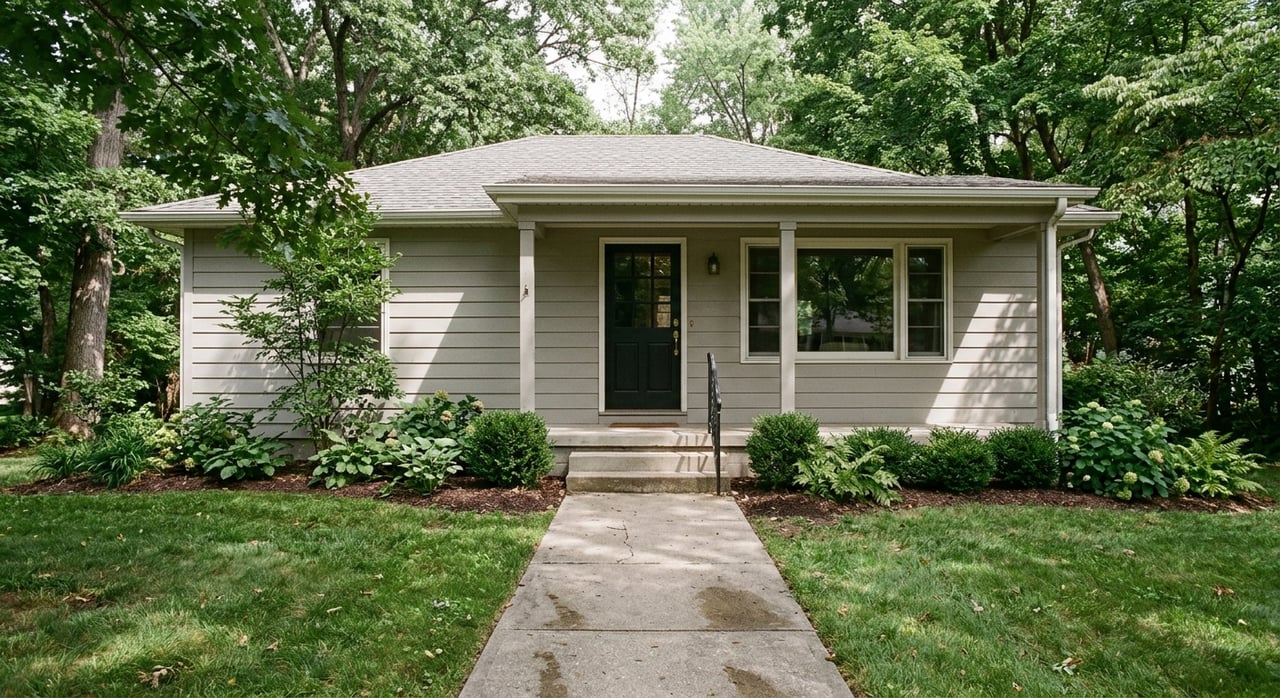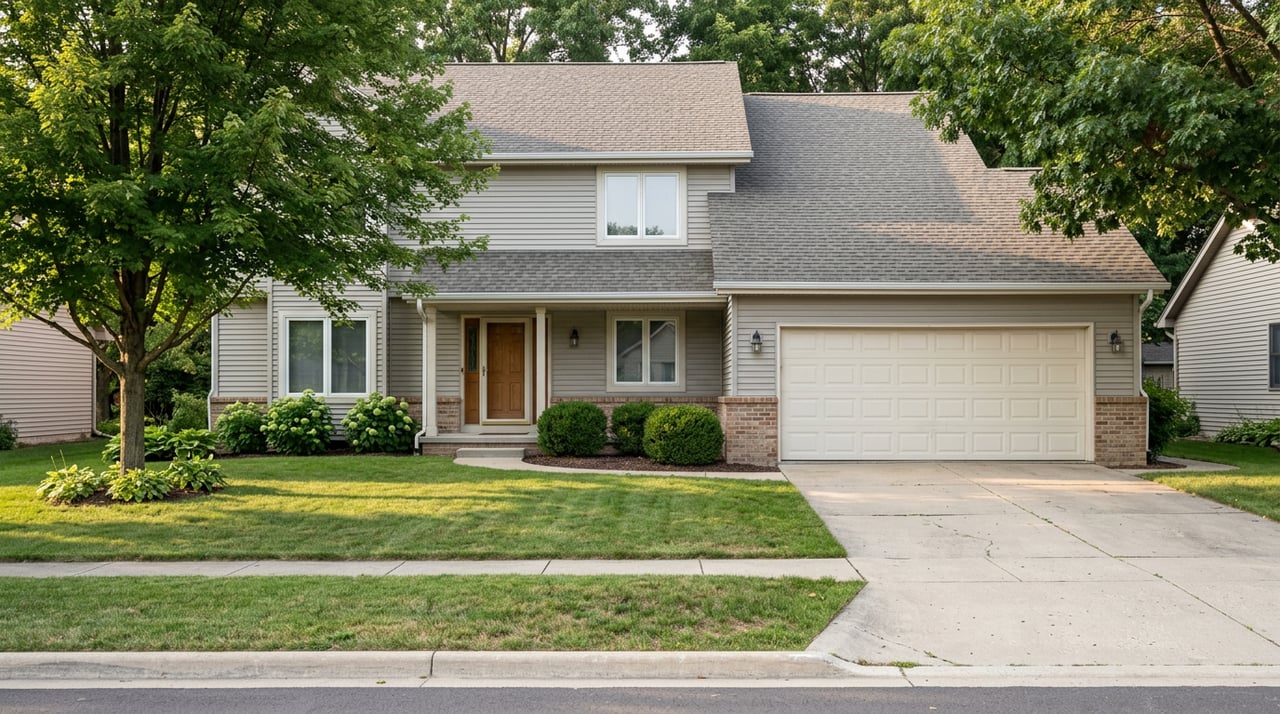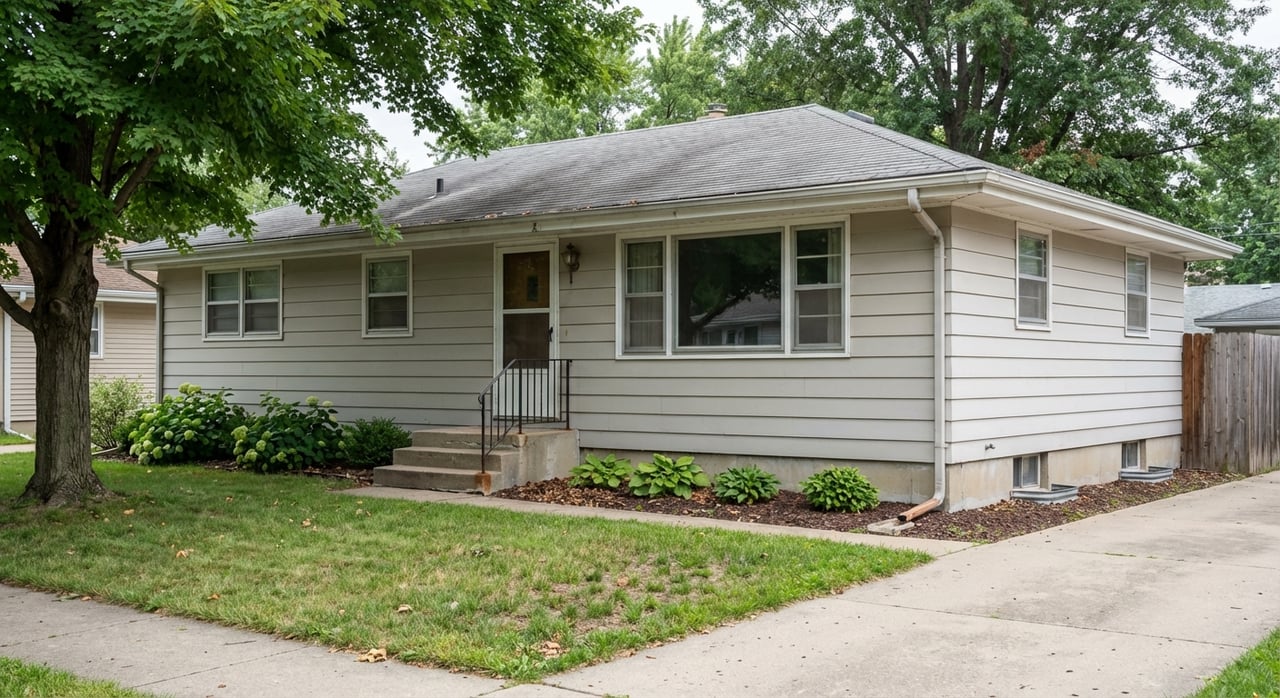
Love the character of an older Grand Rapids home but worry about hidden issues? You’re not alone. Many buyers are drawn to original woodwork, tall ceilings, and walkable neighborhoods, yet need clarity on condition, inspections, and costs. In this guide, you’ll learn what to look for, which tests to prioritize, how local climate and infrastructure affect older homes, and how findings can shape your offer and budget. Let’s dive in.
Why older homes shine in Grand Rapids
Grand Rapids has deep roots and many established neighborhoods with pre-war and mid-century houses. Areas like Heritage Hill feature a large concentration of historic homes, while many adjacent neighborhoods include well-kept mid-century properties. You get charm and craftsmanship, but also the need to confirm updates and plan for maintenance.
Historic districts can include design review and permit considerations for exterior changes. If you plan major updates, confirm requirements with the city’s building and historic preservation resources before you begin.
Local climate and flood context
West Michigan winters bring significant lake-effect snow and regular freeze–thaw cycles. Those conditions can drive ice dams, roof wear, and foundation movement over time. The region’s snowfall patterns and severe weather are well documented by Michigan State University’s geography program, which highlights why roofs, attics, and drainage deserve close attention in this climate. See the state’s overview of significant weather events for context on snowfall and freeze patterns at the MSU Geography site.
The Grand River has also produced flooding in recent memory. The April 2013 flood, for example, affected properties near the river and downtown. If you’re considering a home near low-lying areas, review FEMA flood maps and local history to understand risk and insurance needs. You can read more background in the article on the 2013 Grand Rapids flood.
Health and infrastructure checks to prioritize
Radon testing in Michigan homes
Radon is invisible and common enough in Michigan that testing during your inspection period is smart. The state’s environmental agency encourages regular testing and shares mitigation guidance. Typical mitigation in Michigan often falls in the low thousands depending on layout. Learn more at the Michigan radon program.
Lead in water service lines
Grand Rapids reports a significant number of known or presumed lead service lines in its water system. Ask the water department or seller for the service-line material at your specific address and review recent water quality reports. Start with the city’s 2024 Water Quality Report.
Sewer laterals and backups
In older neighborhoods, clay or cast-iron sewer laterals and tree roots can cause slow drains or backups. Repairs can be costly, and responsibility often rests with the property owner. A sewer camera scope is an inexpensive way to avoid surprises. The EPA has long noted the homeowner role in lateral maintenance. See the EPA’s overview on private sewer laterals for context.
What to look for in older Grand Rapids homes
Foundations, basements, and drainage
What to watch for:
- Musty odors, efflorescence, or stains near floor-wall joints
- Uneven floors, sticking doors or windows
- Standing water or a frequently running sump
Why it matters here:
- Freeze–thaw cycles, heavy snowmelt, and episodic river flooding can add hydrostatic pressure against foundations and drive moisture in. The 2013 flood underscored regional basement risks for some low-lying areas.
Inspections to order:
- General home inspection with a basement focus
- Structural/foundation specialist if there are cracks, bulges, or settlement
- Sewer-scope if you see slow drains or if the home has older plumbing
Budget context:
- Interior waterproofing, French drains, and sump systems vary widely in cost. Modest interior fixes can be in the low thousands, while extensive excavation or foundation repair can reach five figures. Get at least two local bids. For national context on old-home repairs, see this overview on common old-house costs.
Roofs, attics, and ice dams
What to watch for:
- Curling or missing shingles, sagging roof lines
- Attic stains, inadequate ventilation, or blocked soffits
- Multiple roof layers
Why it matters here:
- Snow and ice dams can drive water under shingles and into the attic. Proper ventilation and insulation are critical in our climate. Regional snow patterns are outlined by MSU’s geography program on significant weather events.
Inspections to order:
- Home inspector to assess roof and attic
- Roofer estimate if the roof looks near end of life or shows leaks
Budget context:
- Asphalt roof replacements and ventilation improvements often run in the several-thousand-dollar range depending on size and complexity. Get local quotes for accuracy. The old-house cost overview offers general ranges.
Electrical systems and capacity
What to watch for:
- Two-prong outlets, knob-and-tube wiring in the attic or basement
- Cloth-insulated wiring, old fuse panels, or undersized service (for example, 60-amp)
Why it matters:
- Legacy wiring can pose safety and insurance challenges. Modern usage often needs more circuits and updated panels. Insurers and lenders sometimes require upgrades. Read background on knob-and-tube in this Angi guide.
Inspections to order:
- Licensed electrician to verify panel size, wiring type, and circuit conditions
Budget context:
- Full rewiring in older homes can be a five-figure expense depending on size and access. Obtain multiple local bids before negotiating.
Plumbing, water quality, and sewer lines
What to watch for:
- Low water pressure, discolored water, slow drains
- Visible cast-iron or galvanized pipes
- Evidence of past backups or floor patches from plumbing repairs
Local specifics:
- Confirm if your service line is lead and review recent city water reports. Start with the city’s Water Quality Report.
Inspections to order:
- Plumber assessment of supply and drain lines
- Sewer-camera scope for older laterals or backup history
Budget context:
- Replacing old lines or a failed lateral can be expensive. A camera scope is a low-cost diagnostic compared to an emergency dig. The EPA outlines homeowner responsibility for private laterals.
Heating, ventilation, and insulation
What to watch for:
- Age of boilers or furnaces; presence of oil tanks
- Significant temperature differences between rooms
- Limited insulation or single-pane, painted-shut windows
Why it matters:
- Efficient heating is essential in our cold, snowy winters. Replacing major systems can impact your near-term budget. See the old-house cost overview for typical ranges and planning tips.
Inspections to order:
- HVAC technician, especially for older boilers
- Optional energy assessment to identify insulation gaps
Environmental hazards: radon, lead paint, asbestos, and mold
Radon:
- Michigan encourages testing, and mitigation is common when needed. Learn more through the Michigan radon program.
Lead paint:
- If the home was built before 1978, federal law requires disclosure and gives you the right to test for lead. Review the EPA’s summary of real estate lead disclosure rules.
Asbestos:
- Often found in older materials like pipe wrap, some floor tiles, and certain siding. If you plan to disturb suspect materials, hire a licensed pro. See this Angi overview on where asbestos is found.
Mold:
- Usually tied to moisture from roof or basement leaks. Large visible growth or a recent flood calls for professional evaluation and remediation planning.
Pests and wood-destroying insects
What to watch for:
- Soft or damaged wood, frass (fine sawdust), or termite tubes
What to do:
- Order a wood-destroying insect inspection if there are any signs of damage or if the home is older and has exposed wood framing.
Your inspection game plan
- Walk-through triage. Look for water stains, sagging floors, active leaks, discolored ceilings, overloaded outlets, or musty odors.
- General home inspection. Schedule this as soon as you go under contract. It covers structure, roof, HVAC, and major systems.
- Radon test. Pair a short-term radon test with your inspection window. If results exceed the EPA action level, budget for mitigation. Start at the Michigan radon program for guidance.
- Sewer-camera scope. Order this for older homes, tree-lined streets, or any hint of slow drains. It is far cheaper than an unexpected dig. See the EPA’s context on private laterals.
- Electrician review. If you see knob-and-tube, two-prong outlets, or an old fuse box, get a licensed electrician’s report. Lenders or insurers may require upgrades. Review background on knob-and-tube wiring.
- Specialists as needed. Lead paint risk assessment for pre-1978 homes, asbestos testing if you plan to disturb suspect materials, HVAC or boiler specialist, and a structural engineer if the foundation shows movement.
How findings affect offers, financing, and insurance
- Financing: Major safety or habitability issues like failed heat, active sewer backups, or structural failure can disrupt appraisals and some loan approvals. Address these early.
- Insurance: Some carriers restrict or surcharge homes with knob-and-tube wiring or other legacy hazards. Clarify insurability early. The Washington Post summarizes common insurer concerns around older and historic homes in this insurance overview.
- Negotiation: Typical options include seller repairs before closing, a repair credit or price reduction, or an escrow holdback for agreed work. Separate safety and major systems from cosmetic items and back your requests with contractor estimates.
Quick touring checklist
Use this short list during showings to spot red flags quickly:
- Basement: Musty odor, efflorescence, staining, or standing water
- Exterior: Grading that slopes toward the house, clogged gutters, downspouts dumping near the foundation
- Roof/attic: Curling shingles, stained ceilings, inadequate attic vents
- Electrical: Two-prong outlets, old fuse box, obvious knob-and-tube
- Plumbing: Low pressure, slow drains, visible galvanized or cast-iron pipes
- Heating: Very old boiler or furnace, uneven temps
- Environmental: Pre-1978 paint surfaces in poor condition; ask about radon testing history and water service line material
Budget planning tips for older homes
- Prioritize health and safety first. Radon mitigation is common and typically runs in the low thousands in Michigan depending on the home. See the state’s radon program for details.
- Get multiple bids. Prices vary widely for foundation, roof, electrical, and plumbing work. Aim for two to three local quotes.
- Phase projects. Plan immediate fixes for water intrusion, electrical hazards, and active leaks, then schedule efficiency and cosmetic upgrades.
- Leave room in your offer strategy. Build a repair cushion into your budget so you can move quickly when the right home appears.
Final thoughts
Older homes in Grand Rapids offer beauty, craftsmanship, and long-term value, provided you approach them with a clear plan. Start with the right inspections, verify key health and infrastructure items, and use findings to shape a smart offer. If you want construction-informed guidance from a local expert who understands West Michigan housing and older home systems, connect with Jason Woodard to Schedule a Free Consultation.
FAQs
Are older Grand Rapids homes riskier to buy than newer homes?
- Not necessarily. They can be excellent buys when you confirm condition with inspections and budget for updates. Focus on moisture control, electrical safety, and mechanical life.
How common is radon in West Michigan houses?
- Enough that Michigan recommends testing every few years. Include a short-term test during your inspection and plan mitigation if levels exceed EPA guidance.
Should I always order a sewer-camera scope on an older home?
- If you see slow drains, know the line is older, or there are large trees near the route, a scope is a low-cost way to avoid a costly surprise.
What if the home has knob-and-tube wiring?
- Have a licensed electrician evaluate panel size, grounding, and circuit integrity. Some insurers and lenders may require updates before closing.
How do lead service lines affect my home purchase?
- Ask the seller and the city about the service-line material at your address and review recent water reports. If lead is present, consult plumbers on replacement timelines and costs.
Can major defects derail my mortgage?
- Yes. Issues like active sewer backups, failed heating, or structural instability can delay or prevent loan approval. Address critical items early and negotiate solutions with the seller.