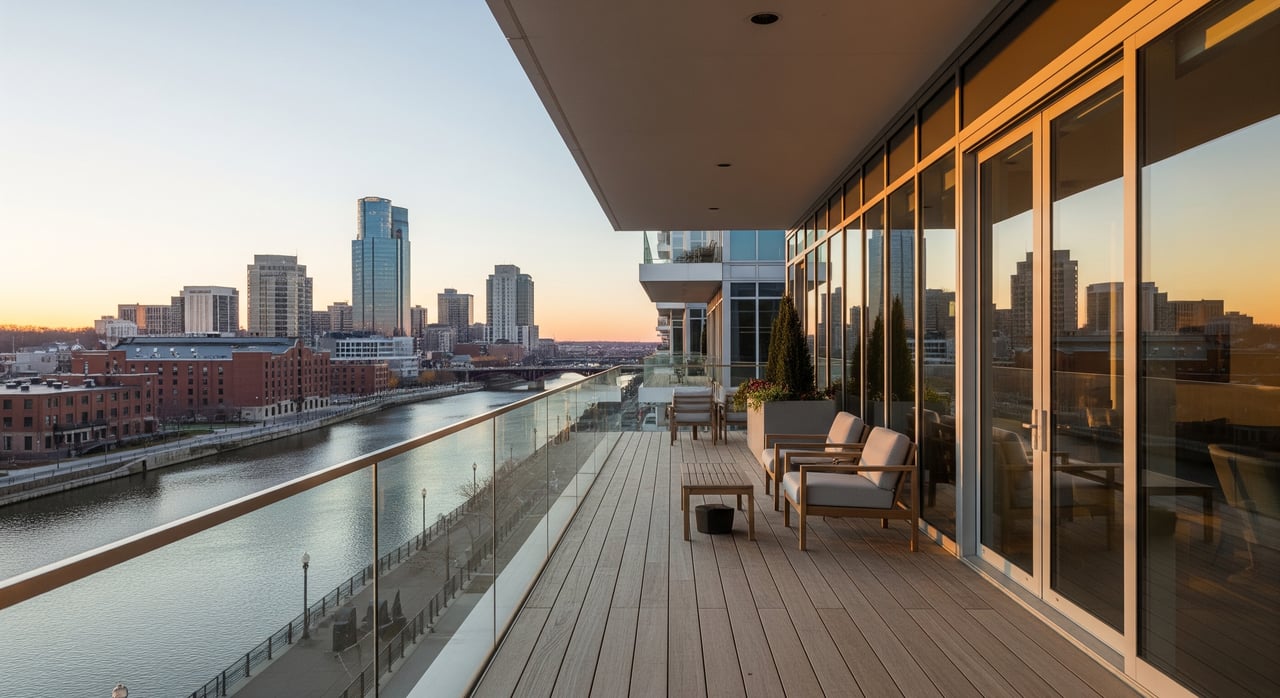
Thinking about trading a yard for city energy and convenience? If you want shorter commutes, walkable streets, and festivals outside your door, downtown Grand Rapids might fit your lifestyle. If you prefer more space, quieter nights, or a private garage, it might not. This guide lays out the day-to-day experience, the pros and cons, housing options, transit, schools, and practical tips so you can decide with confidence. Let’s dive in.
What life feels like downtown
Walkability and biking
Downtown is the most walkable part of Grand Rapids. You can step out for coffee, dinner, a show, or the riverfront without getting in a car. Bike lanes and multi-use trails connect many blocks to nearby neighborhoods, though routes vary by street. Winter weather can slow biking, so plan seasonal gear and routes.
Transit and regional travel
Local bus service from The Rapid centers on the core, with higher frequency on major routes at peak times. Amtrak’s Pere Marquette line offers daily rail service to Chicago, which many residents use for weekend trips. Gerald R. Ford International Airport is a typical 15 to 25 minute drive from downtown, and you can learn more at GRR. If you work in the core, you may be able to walk or bike daily and keep the car for regional trips.
Parking basics
You will find metered street parking, public ramps, and private garages. Some buildings offer on-site or assigned spaces, while others require a monthly pass in a nearby ramp. Prices and availability vary by block and time of day, and big events can tighten supply. Ask any leasing office or HOA for the parking plan before you sign.
Parks and riverfront
The Grand River runs through downtown, with plazas, promenades, and lawns used for markets, concerts, and seasonal events. You get fresh-air breaks close to home, plus access to greenway trails a short bike ride away. Larger regional parks sit outside the core if you want more space for sports or long walks.
Culture and nightlife
Downtown concentrates museums, performance halls, breweries, and music venues. You can browse the Grand Rapids Art Museum, catch a concert or sports event at Van Andel Arena, and sample the craft-beer and dining scene on foot. Festivals and conventions shift the vibe from weekday calm to weekend buzz. If you enjoy that variety, downtown delivers it.
Everyday errands and healthcare
You will find coffee shops, quick-service dining, and convenience markets nearby. Full-size supermarkets and big-box stores are more common outside the core, so many residents drive for larger grocery runs. A major advantage is proximity to hospitals and clinics in or near downtown, which makes appointments easy to reach.
Housing options and costs
What you will find
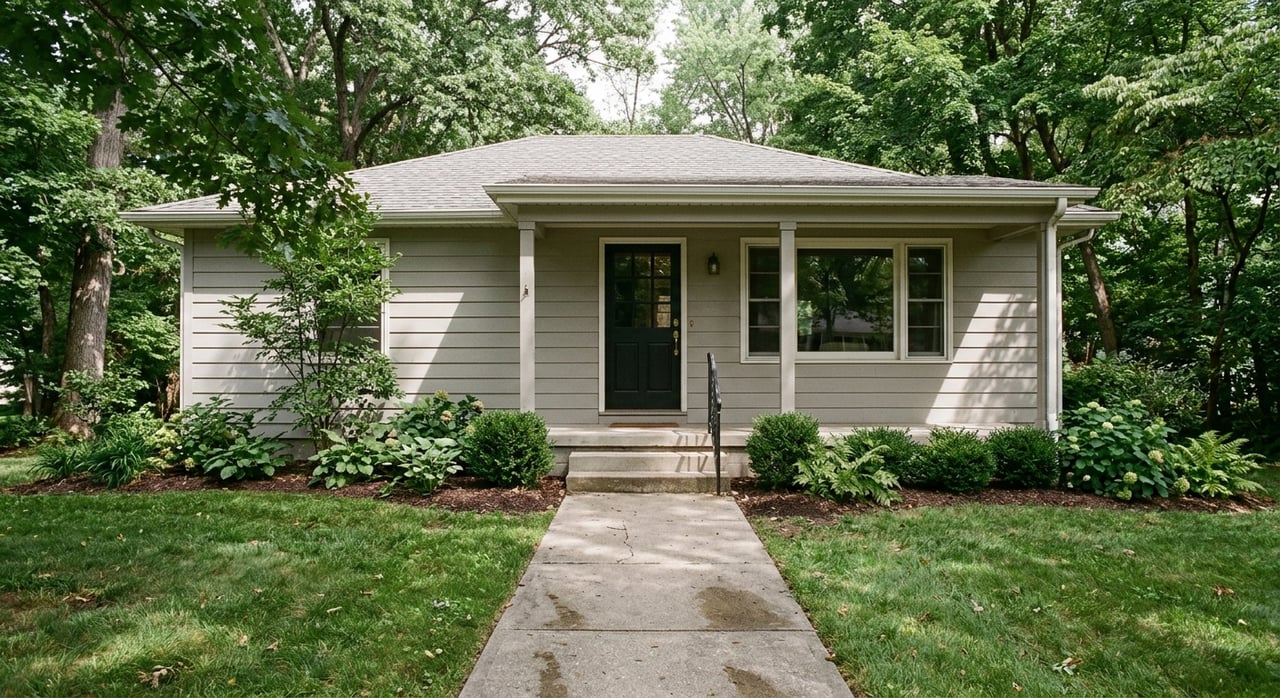
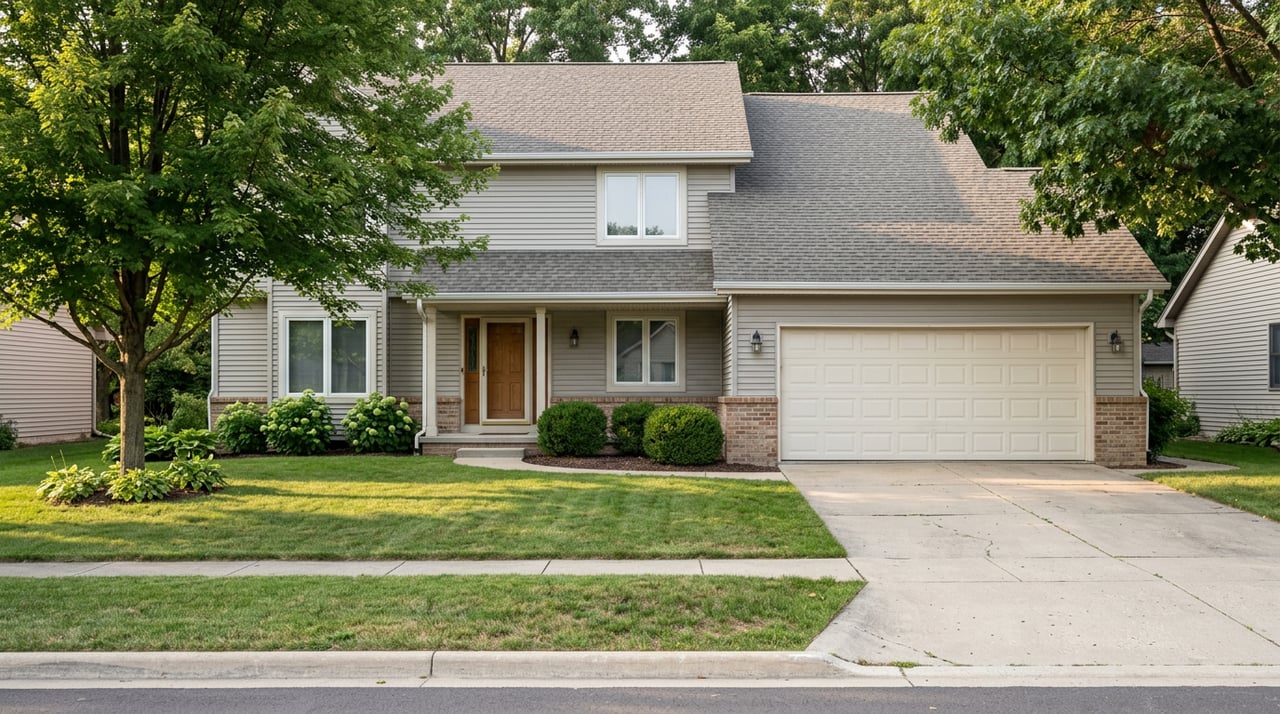
Expect apartments, condos, and mixed-use buildings rather than single-family homes. Many residences are in newer infill projects or adaptive reuse lofts. Square footage tends to be smaller, but the trade-off is proximity to work, culture, and transit. A few townhomes or pocket single-family options exist around the edges of the core.
Pricing and fees
Per-square-foot prices downtown are often higher than many suburbs due to location and amenity premiums. Rents and condo prices change quickly, so review current listings to set expectations. If you own, budget for HOA fees that may cover exterior maintenance, shared utilities, and amenities. If you rent, confirm what utilities are included and the monthly parking cost.
Taxes, HOA, and utilities
Property taxes are set by Kent County and local taxing authorities. If you are buying, request the most recent tax bill, HOA budget, reserve study, and any special-assessment history. Ask about utility setup, including heating systems in older buildings and how costs are allocated between owners or tenants.
Schools and higher education
K–12 in the core
Grand Rapids Public Schools serves the city center, and there are charter and private options across the metro area. The immediate downtown has fewer traditional K–12 buildings compared with surrounding neighborhoods, so families often research options by address. Start with Grand Rapids Public Schools for zoning, programs, and enrollment details.
College energy downtown
Several campuses add vibrancy and demand for rentals. You will see students from Grand Rapids Community College, Kendall College of Art & Design, and Grand Valley State University’s Pew Campus in and around downtown. Explore GVSU to understand how class schedules and events influence foot traffic and housing.
Safety and public services
Crime and safety patterns
As in many urban cores, downtown sees higher rates of certain crimes than many suburbs, and conditions vary block by block and by time of day. Events can concentrate crowds and incidents. Practical steps work: stay aware at night, secure bikes and vehicles, and ask about building access controls, lighting, and management policies. Review recent police reports and crime maps to compare blocks you are considering.
City services and utilities
The City of Grand Rapids manages trash, snow removal, and street maintenance, with some differences in schedules downtown. Older buildings may have steam or gas heat, and utility providers can vary by address. Ask for a recent utility history to budget realistically.
Employment base
Downtown concentrates employers in healthcare, education, finance, law, hospitality, government, and entertainment. That mix supports a steady flow of workers, students, and visitors, which helps sustain restaurants, events, and retail. If your job is in the core, you may cut commute time and transportation costs.
Pros and cons at a glance
Pros
- High walkability near restaurants, arts, nightlife, and events.
- Short commutes to downtown employers and convenient bus and rail options.
- Frequent festivals and programming in civic spaces and along the river.
- Close to hospitals and higher-education campuses.
- Lower home maintenance needs and more free time without yard work.
Cons
- Limited single-family homes and private outdoor space in the core.
- Higher per-square-foot housing costs, plus possible HOA and parking fees.
- Urban noise, event crowds, and periodic traffic congestion during conventions and games.
- Crime concerns vary by block, building, and time of day.
- Winter weather can complicate walking, biking, and street parking.
Is downtown right for you?
If you want a car-light lifestyle close to work and entertainment, downtown can be a great fit. If you need more space, a yard, or a quieter street, you might prefer nearby neighborhoods and still enjoy the core’s amenities. To test the fit, try this:
- Visit at different times and days to gauge noise, lighting, crowds, and commute.
- Map your transit routes and parking options. Confirm on-site security and access controls.
- Build a full budget with HOA, parking, taxes, and utilities.
- Review recent sales or rent comps to align expectations.
- Ask building management for policies, reserve studies, and maintenance history.
When you are ready to compare buildings or explore adjacent neighborhoods that offer more space, a yard, or a garage, get practical guidance from a local pro. With construction know-how and a consultative approach, Jason Woodard can help you evaluate condition, budget for upgrades, and decide what fits your life. Schedule a Free Consultation.
FAQs
Is downtown Grand Rapids safe at night?
- Safety varies by block and time of day. Review recent police reports and crime maps, visit at night, and check building security policies to make an informed choice.
How does resident parking work downtown?
- Many buildings offer assigned or leased spaces, while others rely on public ramps and meters. Confirm monthly costs, guest parking, and event-night policies before you sign.
What is public transit like in downtown Grand Rapids?
- The Rapid runs frequent routes through the core, with higher peak service, and Amtrak’s Pere Marquette connects to Chicago. Check schedules to see how they fit your commute.
Are full-service groceries available in the core?
- You will find convenience markets downtown. For larger grocery runs, many residents drive to nearby supermarkets outside the core and stock up on the way home.
What housing types dominate downtown Grand Rapids?
- Apartments and condos are most common, with a mix of new construction and adaptive reuse lofts. Townhomes and single-family options are limited near the core.