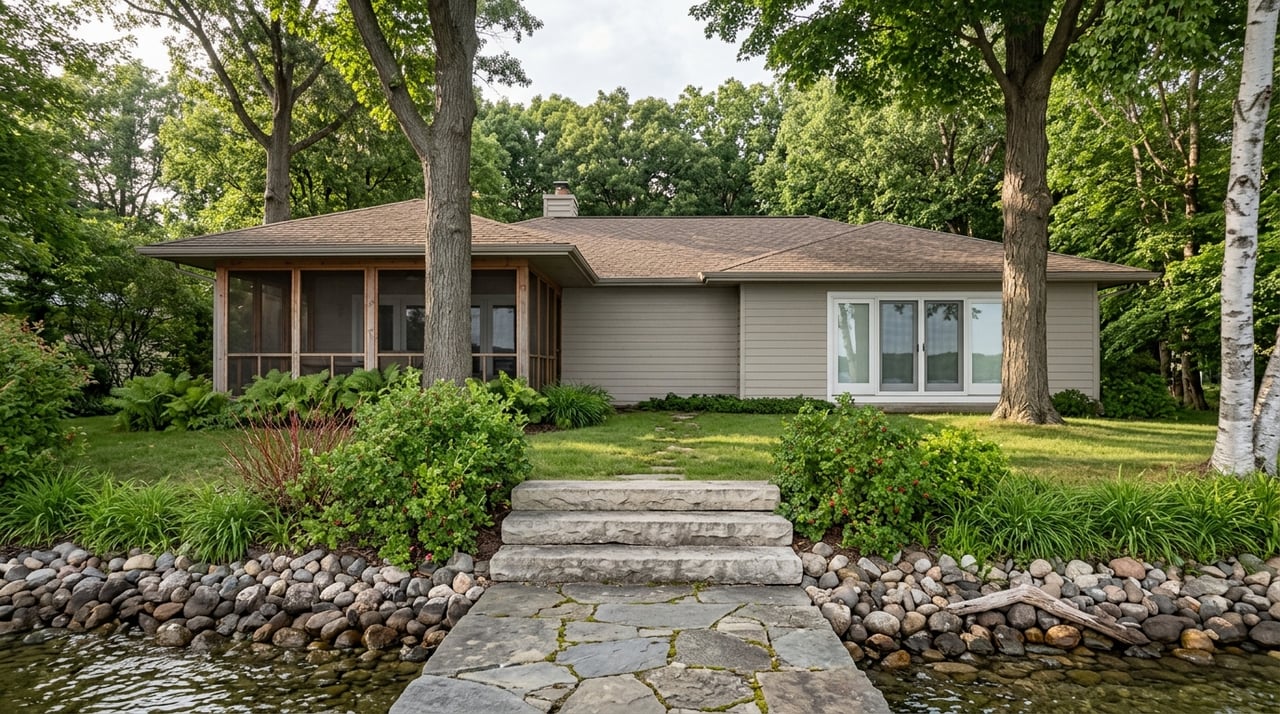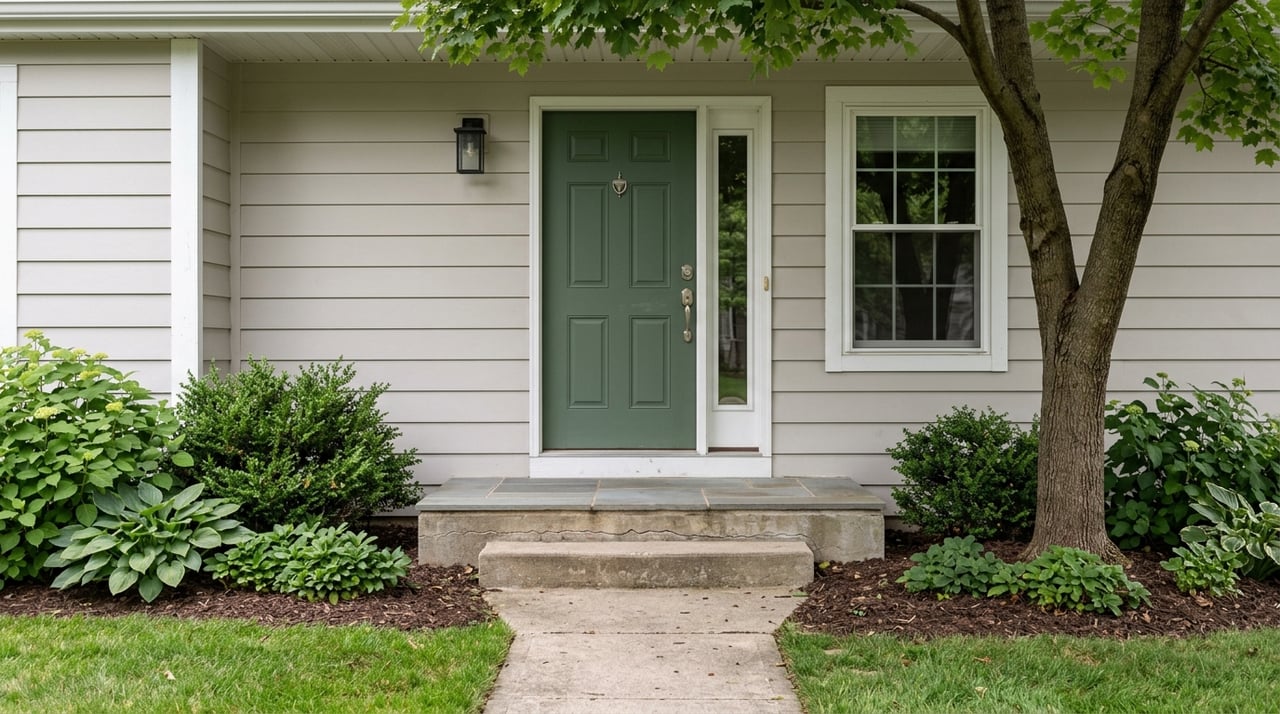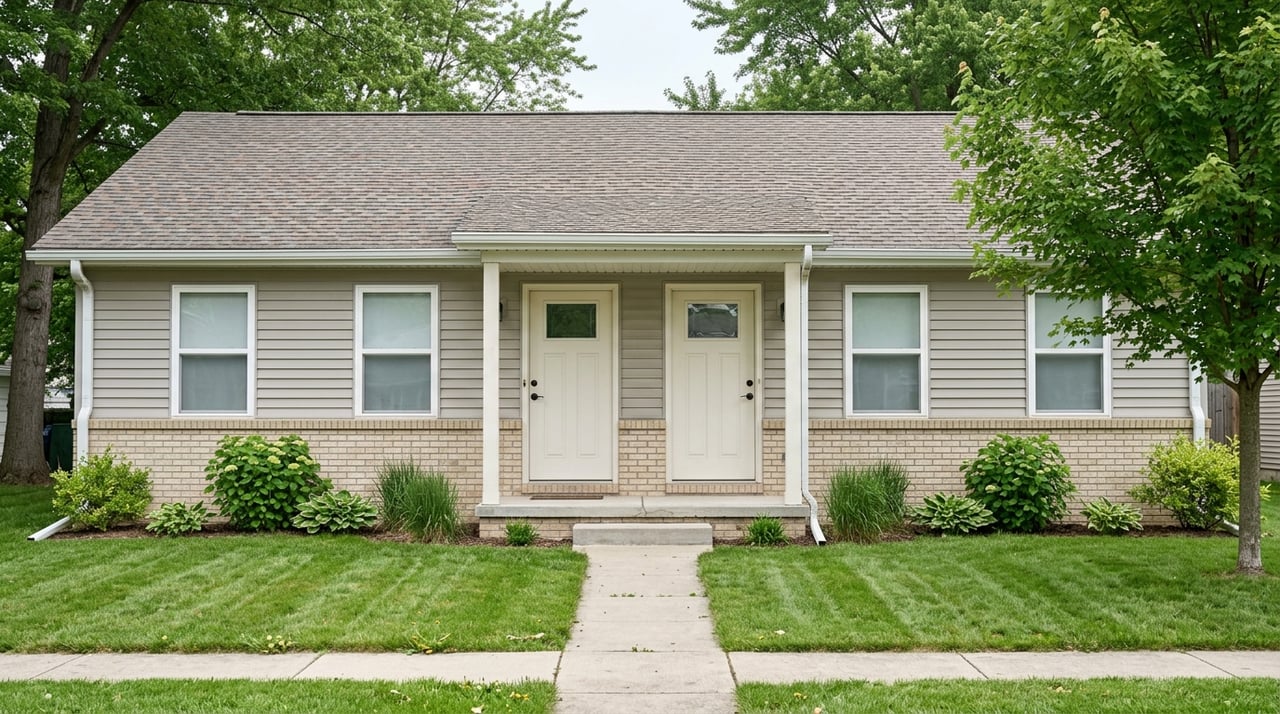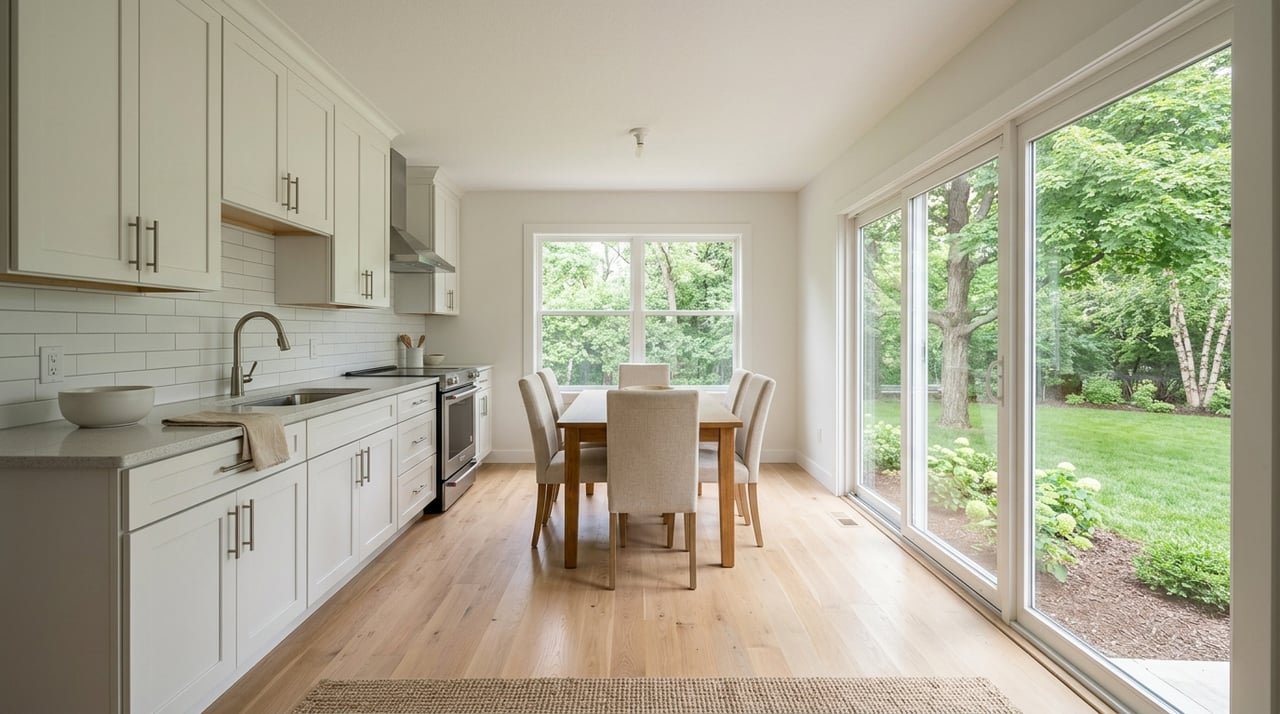
If you are trying to decide between a new construction home and an existing home in Rockford, you are not alone. It sounds like a simple choice at first, but once you start comparing price, timeline, lot size, condition, and upkeep, the decision gets more personal. The good news is that Rockford gives you real options, and understanding the tradeoffs can help you choose with confidence. Let’s dive in.
Rockford market context
Rockford remains an active and competitive market, which shapes how buyers compare new and existing homes. Recent local data showed a median sale price of about $425,000, while Realtor.com reported a median listing price of $465,000 with 156 homes for sale in May 2026.
That range matters because new construction in and around Rockford spans a wide price spectrum. Some townhome-style options start around $365,000, while larger single-family communities can start in the mid-$500,000s, around $610,000, or even $739,000 depending on the builder, homesite, and product type.
In other words, you are often not just choosing between new and existing. You are also comparing townhome versus single-family, lower-maintenance living versus more privacy, and in-town lots versus larger homesites.
Why new construction appeals to buyers
New construction usually appeals to buyers who want a home in newer condition, modern layouts, and fewer near-term repair surprises. It can also be a strong fit if you want a more predictable finish level or the chance to personalize features during the build.
National 2024 data gives a helpful picture of what many new homes include. The median new single-family home sold was 2,210 square feet, and many came with central air, a 2-car garage, and an outdoor living feature such as a deck, porch, or patio.
In Rockford, new construction also comes in more than one form. You can find lower-maintenance townhome and courtyard-style options, traditional single-family homes in planned communities, and homesites with much more land in nearby township settings.
New homes offer customization
One of the biggest benefits of building new is the ability to choose features before you move in. Builder materials for Rockford-area communities show that buyers are often involved in pre-approval, earnest money, selection meetings, and final punch-list or warranty review steps before closing.
That means a new build is not usually a hands-off purchase. It is more like a structured project where you make decisions along the way, which can be exciting if you want a home that feels tailored to your needs.
New homes may include newer systems and warranties
Another reason buyers lean toward new construction is the value of newer systems and standardized features. That can mean less immediate maintenance compared with an older home, especially in the first few years.
Some builders also provide warranty coverage. For example, Eastbrook’s limited warranty example includes one year for workmanship or noncompliance issues and two years for major structural defects. That kind of coverage can add peace of mind when you are comparing total risk, not just purchase price.
New construction can fit different lifestyles
A lot of buyers assume new construction only means large, high-priced homes. In Rockford, that is not the full story.
Eastbrook lists lower-maintenance communities such as Town Square, plus options like Creekview Bluffs starting at $365,000 and Tamarack Run starting at $450,000. On the other end, communities such as Summit Pointe and Ravines at Inwood offer larger single-family homes, and Pine Rivers features 2+ acre wooded homesites in Courtland Township.
What to consider before building new
New construction has clear benefits, but it also asks more of you in time, patience, and decision-making. If your move has a hard deadline, this part matters.
The latest Census and NAHB data show new single-family homes completed in 2024 took about 9.1 months from permit to completion nationally. In the East North Central region, which includes Michigan, the average was 9.4 months. Homes built for sale were faster at 7.6 months, which is why move-in ready or showcase homes can be appealing.
Timelines are usually longer
If you are building from the ground up, you are usually trading speed for customization. That can work well if you have flexibility and want more control over the finished product.
If you need to move sooner, you may want to ask about spec homes, move-in homes, or showcase homes. Those options can shorten the wait while still giving you a newer property.
Permits and occupancy still matter
In Rockford, any remodeling or new construction requires building and zoning permits, and building, mechanical, plumbing, and electrical permits are handled through PCI. The local zoning ordinance also states that a building or structure cannot be occupied until a certificate of occupancy is issued.
That does not mean you need to manage every permit yourself, but it does mean the timeline depends on more than construction alone. Local approvals are part of the process.
Sticker price is not the whole price
With new construction, buyers sometimes focus on the base price first. In reality, your final cost may also reflect lot premiums, finish selections, HOA dues, and utility setup depending on the community.
For example, Pine Rivers lists an HOA of $425 per year after a $300 initial fee. Some communities emphasize city water and city sewer, while others may offer a different setting and lot style that changes your overall ownership costs.
Why existing homes appeal to buyers
Existing homes attract buyers for one simple reason: they are usually available now. In a market where a new build may take many months, an existing home can offer a much faster path to closing.
That speed can be especially valuable if you are relocating, trying to line up a sale and purchase, or simply do not want the uncertainty of a build timeline. In a market where homes have recently sold in about 26 days on average, timing still matters.
Existing homes can offer immediate availability
If you find the right resale home, you can focus on inspections, financing, and closing instead of waiting through months of construction. For many buyers, that alone is a major advantage.
You may also find more established landscaping, mature trees, or a home that already reflects a settled neighborhood pattern. That can be hard to measure in dollars, but it often matters in how a property feels day to day.
Existing homes can create renovation opportunities
If you are comfortable updating a home over time, an existing property may give you more room to shape the home your way after closing. This can be especially appealing if you are willing to improve finishes gradually rather than pay for every upgrade up front.
That is where practical condition advice matters. A home with older finishes is not always a problem, but you want to understand which updates are cosmetic and which may affect your budget more seriously.
What to watch with existing homes
The main tradeoff with existing homes is condition. You may avoid the construction wait, but you take on more homework during inspections and any future renovation planning.
That does not make older homes a worse choice. It just means you need a clear view of what you are buying today and what it may cost to maintain or improve later.
Lead paint rules matter in older homes
For homes built before 1978, lead-based paint rules become important. The EPA says buyers of most pre-1978 housing have the right to know whether lead-based paint hazards are present, sellers must disclose known information before contract signing, and buyers are typically given a 10-day opportunity for a lead inspection or risk assessment.
The EPA also notes that the older the home, the more likely it is to contain lead paint. If you are considering an older Rockford home, this is an important part of your due diligence.
Radon testing matters in both old and new homes
Radon is not just an older-home issue. The EPA and the Surgeon General recommend testing all homes for radon.
The EPA also says buyers may want a new test after renovations or if they plan to live on a lower level such as a basement. For new construction, the EPA recommends asking the builder about radon-resistant features and testing before move-in.
Renovation work may need permits
In Michigan, ordinary repairs may not require a permit, but structural work and changes to plumbing, electrical, mechanical, or similar systems generally do. The Michigan Department of Licensing and Regulatory Affairs states that the Michigan Building Code governs construction, alteration, repair, occupancy, and maintenance.
If you are budgeting for updates, remember that the true cost is not just labor and materials. Permit and compliance requirements can affect both cost and timing.
Comparing lot size and community setup
A smart Rockford comparison goes beyond the house itself. Lot size, neighborhood setup, utilities, and HOA structure can change how a property lives and what it costs over time.
In the City of Rockford, the R-1 low-density residential district requires a minimum lot area of 9,600 square feet and 80 feet of width. That suggests in-town Rockford lots are not automatically small by broader standards, though actual lot sizes vary by neighborhood and township.
New communities vary more than many buyers expect
Some Rockford-area new communities focus on convenience. JTB’s Summit Pointe offers 14 floor plans of roughly 1,600 to 2,700 square feet and lists city water, city sewer, sidewalks, and streetlights among its features.
Other communities prioritize more land or different amenities. Ravines at Inwood advertises walkout homesites plus features such as playgrounds, fire pits, and a pavilion, while Pine Rivers highlights 2+ acre wooded homesites.
Utilities and fees affect ownership costs
The City of Rockford owns and operates its own well system for water service, and some new communities specifically advertise city water and city sewer. Those details matter when you compare convenience, maintenance expectations, and monthly carrying costs.
HOA fees also belong in the conversation. Even when the fee looks modest, it is still part of your long-term budget and should be weighed alongside the home price.
How to decide what fits you best
The best choice usually comes down to your timeline, budget, and tolerance for projects. If you want a newer home, modern features, and some level of personalization, new construction may be the better fit.
If you want to move faster, prefer a more established property, or see value in updating a home over time, an existing home may make more sense. Neither choice is automatically better. The right answer depends on what you want your money to buy.
A practical way to compare homes in Rockford is to line up these questions:
- How soon do you need to move?
- How much customization matters to you?
- What is included in the price versus upgraded?
- How much lot size or privacy do you want?
- Are HOA dues part of the property?
- What inspections, repairs, or permits could affect your costs?
- Do you want a lower-maintenance start, or are you comfortable planning renovations?
With a market median around $425,000 and new construction stretching from the mid-$300,000s to well above $700,000, the real comparison is not just age. It is value, timing, and fit.
If you want help sorting through new construction communities, resale options, or renovation tradeoffs in Rockford, Jason Woodard can help you compare the details and make a confident next move.
FAQs
How long does new construction usually take in Rockford?
- Recent Census and NAHB data show new single-family homes averaged about 9 months from permit to completion in 2024, with homes built for sale moving faster on average.
Are new construction homes in Rockford always more expensive?
- Not always. Rockford-area new construction ranges from townhome options starting around $365,000 to larger single-family communities starting in the mid-$500,000s, $610,000, or higher.
What should you inspect in an existing Rockford home?
- Key items can include general condition, radon testing, and lead-based paint disclosure or inspection for homes built before 1978.
Do remodeling projects in Rockford need permits?
- In Rockford, remodeling and new construction require permits locally, and in Michigan many structural, plumbing, electrical, and mechanical changes generally require permits.
What should you compare besides price in Rockford homes?
- Compare timeline, lot size, included finishes, HOA dues, utility setup, condition, and the likely cost of repairs or upgrades.