Buying your first home in Mount Pleasant can feel exciting and a little intimidating at the same time. You want a place that fits your budget, works for your daily life, and does not surprise you with costly issues right after closing. The good news is that with the right plan, you can sort through your options with a lot more confidence. Let’s break down what matters most.
Understand the Mount Pleasant starting point
Mount Pleasant is a smaller city, with a 2024 population estimate of 21,090. Census data also shows 8,551 housing units, 7,872 households, and a median age of 23.9, which helps explain why many renters and younger households start looking seriously at buying here.
For first-time buyers, affordability is a big part of the story. Census Reporter lists Mount Pleasant’s median household income at $44,706, while the median owner-occupied home value is $173,100 and median gross rent is $922. QuickFacts also shows median monthly owner costs with a mortgage at $1,336.
Those numbers matter because they give you a useful baseline. If you are comparing renting to buying, you need to look beyond the list price and think about the full monthly cost of owning.
Build a realistic first-home budget
Your mortgage payment is only one part of the picture. The Consumer Financial Protection Bureau says your total monthly home payment can include principal, interest, property taxes, homeowner’s insurance, supplemental insurance such as flood insurance, and any HOA fees.
You also need cash for upfront expenses. Closing costs commonly run about 2% to 5% of the purchase price, according to the CFPB, and that is before you factor in moving costs, furnishings, early repairs, and an emergency cushion.
That is why your budget should answer two questions. First, what payment feels comfortable each month? Second, how much cash do you want left after closing so the home still feels manageable?
Budget items to include
- Down payment
- Closing costs
- Monthly mortgage payment
- Property taxes
- Homeowner’s insurance
- Possible HOA dues
- Utility costs
- Immediate repairs or maintenance
- Moving costs
- Emergency savings after closing
Compare Mount Pleasant property types carefully
Your first home does not have to look one specific way. In Mount Pleasant, the right fit often depends on how much maintenance you can handle, how flexible your budget is, and whether you want room to improve the property over time.
Jason Woodard’s construction background is especially helpful here because first-time buyers often benefit from practical guidance on condition, repair priorities, and renovation potential. A home that looks affordable at first glance may not be the best value if the major systems are near the end of their life.
Starter homes
A starter home often gives you the simplest ownership setup. You usually have one mortgage, no shared building rules, and more control over the property.
Still, the main question is not just whether you can buy it. It is whether the home can handle the first few years of ownership without a string of expensive surprises.
When you tour an older starter home, pay close attention to:
- Roof age and condition
- Heating and cooling systems
- Windows and insulation
- Electrical updates
- Plumbing condition
- Basement moisture
- Exterior drainage
- Signs of deferred maintenance
Townhomes and condos
If you want less exterior upkeep, a townhome or condo may be worth considering. That can be appealing if you want a more predictable maintenance routine.
But you need to budget carefully. The CFPB notes that condo, co-op, or HOA dues are usually paid separately from the mortgage, and those fees should be included when deciding what you can afford.
You should also review association rules before you assume you can remodel, change the property, or rent it out later. Monthly dues and rule limits can shape how well the property fits your long-term plans.
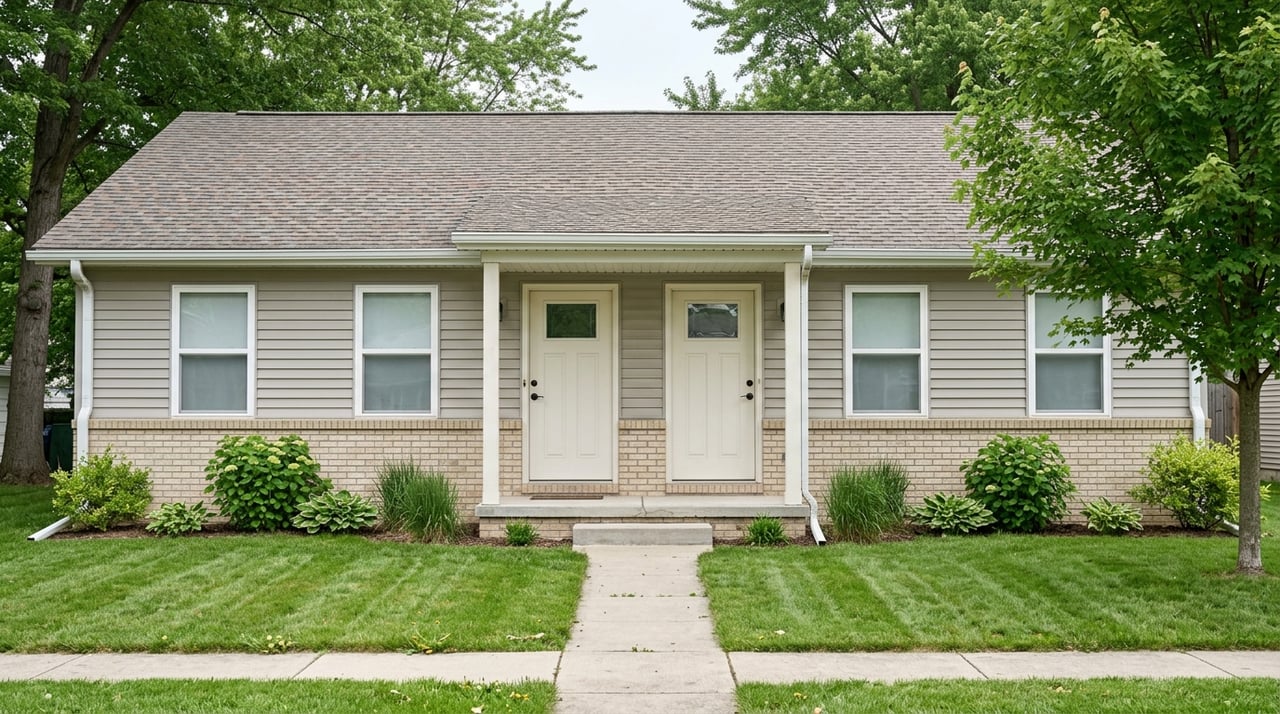
Duplexes and small multi-units
Some first-time buyers look at a duplex or another small multi-unit property to live in one unit and rent the other. That idea can be appealing, but in Michigan, you need to understand the tax and property-use details.
Michigan’s Principal Residence Exemption rules can apply only to the portion of a mixed-use or multi-unit property that you use as your principal residence. In other words, you should not assume the full property gets treated the same way for tax purposes.
Mount Pleasant also has local planning and permit processes that may matter for certain projects. City forms show different residential categories, and some projects may require pre-application review, site plan review, or special use or special regulated use approval before a permit is issued.
Watch the tax details after closing
One of the biggest first-time buyer mistakes is assuming the seller’s tax bill will stay the same after the sale. In Michigan, a transfer of ownership causes taxable value to uncap in the calendar year after the transfer.
That means your future property taxes may look different from the current owner’s bill. It is a smart idea to plan for that possibility before you commit to a monthly payment.
You should also know about the Principal Residence Exemption, often called the PRE. Michigan says the PRE exempts an owner’s principal residence from the local school operating millage, up to 18 mills, and it is separate from the Homestead Property Tax Credit.
Timing matters with that filing. A valid PRE affidavit filed on or before June 1 starts with the summer levy, while one filed from June 2 through November 1 starts with the winter levy.
You also must file a Property Transfer Affidavit with the local assessor within 45 days of transfer. For a first-time buyer, these details may feel small, but they can affect your costs and paperwork right away.
Inspect older homes with extra care
In a market like Mount Pleasant, older homes can offer value, character, and opportunity. They can also come with condition issues that need a closer look before you buy.
If a home was built before 1978, the EPA says it is more likely to have lead-based paint. The EPA also reports that 87% of homes built before 1940 and 24% of homes built from 1960 to 1978 have some lead-based paint.
That does not automatically make an older home a bad choice. It does mean you should understand the risk, review required disclosures, and use lead-safe work practices and certified contractors if you plan future renovations.
Radon is another issue worth checking. Michigan EGLE says 25% of Michigan homes have elevated radon levels, so radon testing is worth considering during the inspection phase regardless of the home’s age.
Smart inspection focus areas
For many first-time buyers, the best inspection strategy is to focus on the expensive items first. Cosmetic updates can wait. Big-ticket systems usually cannot.
Pay close attention to:
- Roof condition and estimated remaining life
- Foundation or basement moisture issues
- Exterior grading and drainage
- HVAC performance and age
- Plumbing materials and function
- Electrical service and updates
- Window condition and insulation quality
- Signs of poor repairs or long-term neglect
- Lead-related concerns in pre-1978 homes
- Radon testing results
Think about resale from day one
Your first home probably will not be your last home. That is why resale matters even when you are focused on getting into the market now.
Mount Pleasant’s planning direction emphasizes sustainable land use, connected mobility, focused redevelopment, and broader walkable-housing goals. That context suggests that practical, well-kept homes with sensible improvements may be easier to live in now and easier to sell later.
The safest improvement bets are often the least flashy. Functional floor plans, usable storage, sensible parking, and strong exterior condition usually age better than trend-driven upgrades.
If you are considering future renovations, make sure the changes fit the property, the block, and city rules. Some larger projects may need site plan review or special use review before permits are issued.
A practical first-home strategy
If you are choosing your first home in Mount Pleasant, try to keep the process simple. Start with the monthly payment you can comfortably live with, then narrow your search based on condition, property type, and likely future costs.
From there, focus on homes that give you a good balance of budget, livability, and manageable repairs. The right first home is not always the biggest one or the prettiest one. Often, it is the one that gives you the fewest surprises and the most flexibility for the next chapter.
That is where experienced guidance can make a real difference. A buyer-focused, construction-informed approach can help you look past surface finishes and make a smarter decision based on how the home actually works.
If you want practical help evaluating first-home options, understanding condition issues, and building a plan that fits your budget, schedule a free consultation with Jason Woodard.
FAQs
What should first-time buyers in Mount Pleasant include in a home budget?
- Your budget should include the mortgage payment, property taxes, homeowner’s insurance, possible HOA dues, closing costs, moving expenses, and cash reserves for repairs and emergencies.
How affordable is a first home in Mount Pleasant, Michigan?
- Local census data shows a median owner-occupied home value of $173,100 and median monthly owner costs with a mortgage of $1,336, which gives you a starting point for comparing local homeownership costs.
Are condo or HOA fees included in a Mount Pleasant mortgage payment?
- Usually not. The CFPB says condo, co-op, and HOA dues are typically paid separately from the mortgage and should be counted in your monthly affordability plan.
What tax issue should Mount Pleasant homebuyers watch after closing?
- In Michigan, a transfer of ownership causes taxable value to uncap in the calendar year after the transfer, so you should not assume the seller’s property tax bill will stay the same.
What is the Michigan Principal Residence Exemption for first-time buyers?
- The PRE exempts an owner’s principal residence from the local school operating millage, up to 18 mills, and buyers need to file the correct affidavit on time for it to take effect.
Should first-time buyers test for radon in Mount Pleasant homes?
- Yes, it is worth considering during inspections because Michigan EGLE says 25% of Michigan homes have elevated radon levels.
What should buyers check in an older Mount Pleasant home?
- Focus on roof age, HVAC, plumbing, electrical, windows, insulation, basement moisture, drainage, deferred maintenance, and possible lead-based paint issues if the home was built before 1978.
Can a first-time buyer purchase a duplex in Mount Pleasant and live in one unit?
- Yes, but you should understand that Michigan PRE rules may apply only to the portion used as your principal residence, and some local project or permit requirements may also apply depending on the property and your plans.