If you only know Mount Pleasant through Central Michigan University, you are seeing just one part of the picture. While the university is a major local anchor, Mount Pleasant is also a compact small city with more than 21,000 full-time residents, established neighborhoods, major employers, parks, and a steady rhythm of year-round community life. If you are thinking about moving here, buying a home, or simply looking beyond the campus vibe, this guide will help you understand what everyday living in Mount Pleasant can actually look like. Let’s dive in.
Mount Pleasant Is More Than a College Town
Mount Pleasant often gets labeled as a college town first, and that makes sense at a glance. Central Michigan University is a major presence, and the city is also home to Mid-Michigan Community College and two major health and hospital centers, according to the City of Mount Pleasant development guidebook.
But that is not the whole story. The U.S. Census QuickFacts estimates Mount Pleasant had 21,090 residents as of July 1, 2024, and the city describes itself as a hometown community that serves both students and year-round residents.
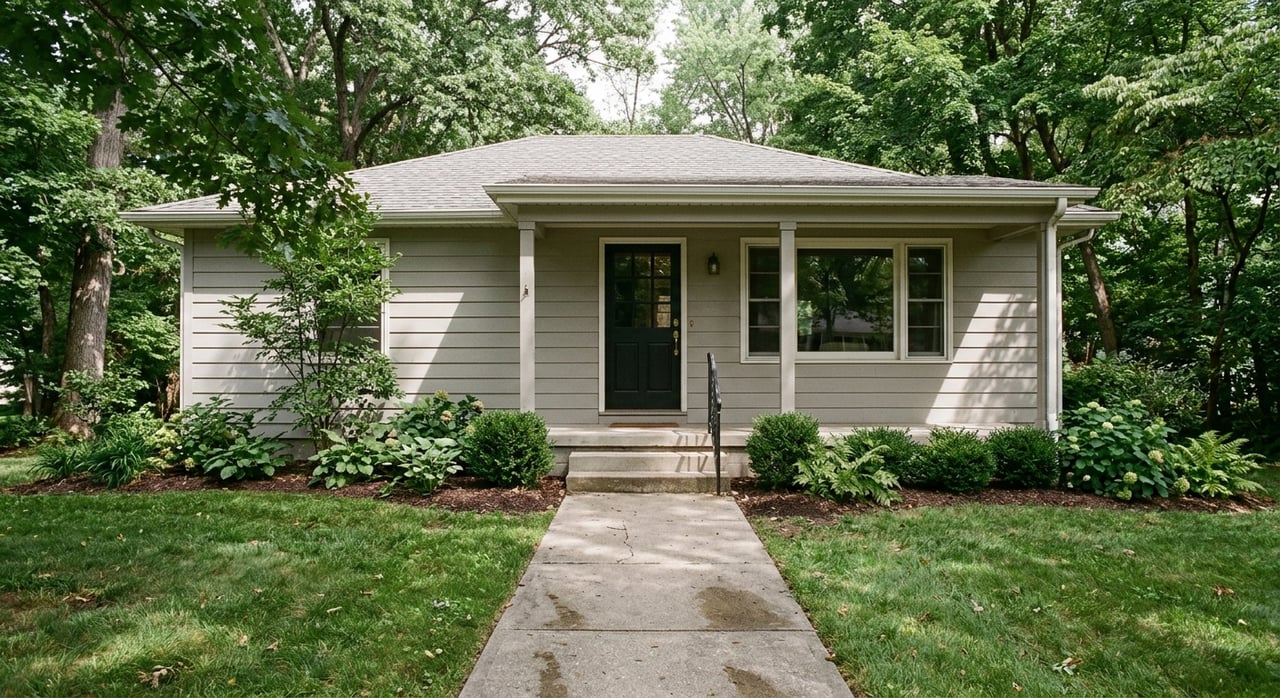
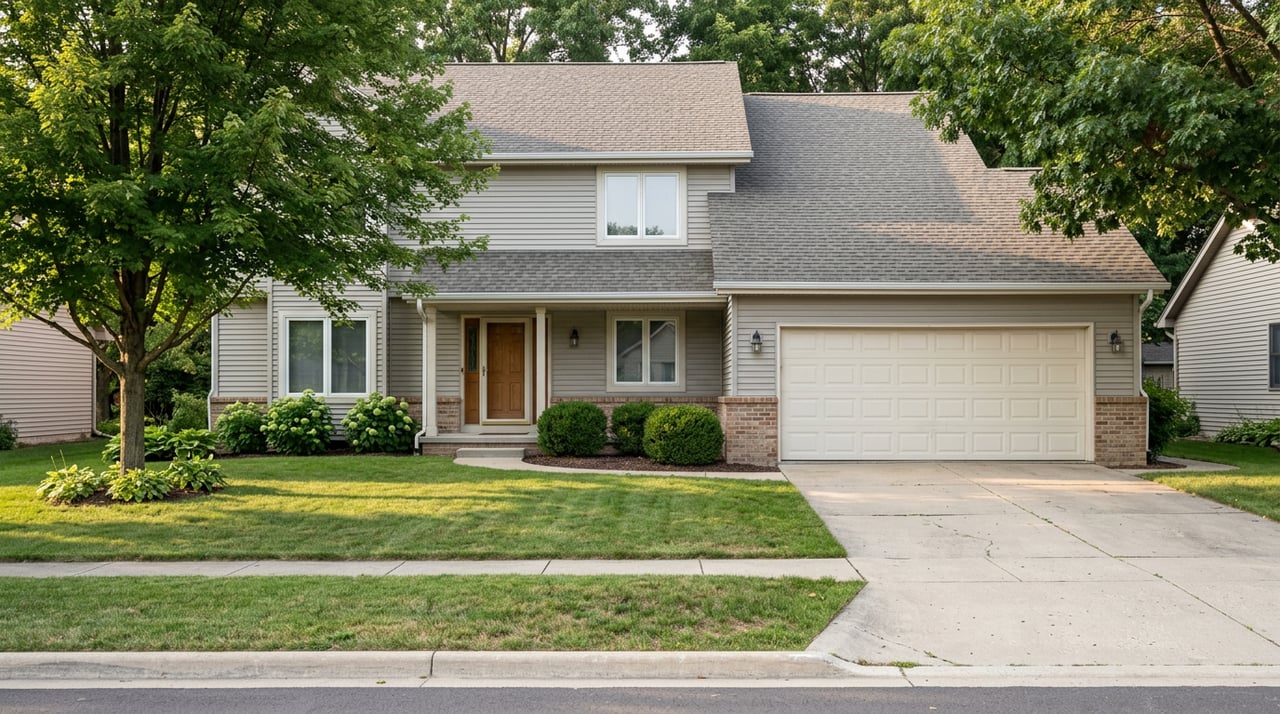
That balance matters when you are deciding where to live. A HUD case study describes Mount Pleasant as anchored by CMU and downtown, while still being largely made up of single-family homes. In practical terms, that means you can find a community feel here that extends well beyond campus life.
What Everyday Life Feels Like
One of Mount Pleasant’s biggest strengths is convenience. The Census QuickFacts show a mean commute time of 15 minutes, which supports the idea that work, school, errands, and recreation are all relatively close together.
That can make a real difference in your daily routine. Instead of planning your day around long drives, you may be able to move between home, school, appointments, parks, and downtown with less stress and more flexibility.
The city also emphasizes walkability and safety in its public materials. If you value a smaller-city setup where daily life feels manageable, Mount Pleasant has a lot to offer beyond the college identity.
Areas to Know Beyond Campus
Mount Pleasant is often easier to understand by area rather than by a formal list of neighborhoods. The city’s public maps and planning materials focus more on corridors, landmarks, and districts than on subdivision-style neighborhood naming, as shown in the city maps resources.
Downtown and West Riverfront
Downtown is one of the most distinct parts of the city for people who want a local, connected feel. Downtown Mount Pleasant sits about nine blocks north of CMU and includes shops, dining, parks, and year-round events near the Chippewa River.
This area has a strong walkable identity, especially with places like Island Park and Mill Pond Park nearby. HUD also notes mixed-use development on downtown’s west edge, which reinforces the idea that this part of the city blends residential living with civic and commercial activity.
If you like being close to events, riverfront spaces, and local businesses, downtown and the west riverfront may be worth a closer look. It can be a practical fit for buyers who want convenience and a more connected daily routine.
South and East Residential Corridors
For a more traditional year-round residential feel, the south and east sides of Mount Pleasant stand out. Based on the locations of Mount Pleasant Public Schools campuses on streets including S. Kinney, S. Adams, E. Crosslanes, S. Brown, S. Watson, and S. Elizabeth, these areas suggest a broader residential belt outside the campus core, according to the district site.
This is not an official neighborhood map, but it is a practical way to understand how the city functions. If you are looking for more distance from student-heavy blocks, these areas may feel more in line with the routines of full-time residents.
Campus-Adjacent Rental Areas
If your goal is to avoid a renter-heavy setting, it helps to understand how the city handles housing near campus. The city licenses residential rentals annually, and its Neighborhood Resource Unit manages that program, according to the development guidebook.
That does not mean campus-adjacent areas are off-limits. It simply shows that Mount Pleasant actively distinguishes rental housing patterns from more settled owner-occupied streets, which can be useful when you are narrowing your home search.
Parks and Outdoor Living
A big part of living in Mount Pleasant beyond campus is how easy it is to build outdoor time into your week. The city maintains several parks and highlights both the Chippewa River Water Trail and a signed neighborhood connector bike route map on its parks department pages.
That tells you something important about local lifestyle. Walking, biking, and river access are not just occasional perks here. They are built into the fabric of the community.
Island Park
Island Park is a 35-acre park next to downtown and surrounded by the Chippewa River. It includes a playscape, skate park, splash park, riverwalk trail, fishing deck, and canoe landing.
For many residents, this is one of the most useful everyday amenities in town. It works for a quick walk, a family outing, or a simple weekend reset without needing to leave the city.
Mill Pond Park
Mill Pond Park brings a more wooded setting right into the center of the community. According to Downtown Mount Pleasant’s park information, this 90-acre park offers riverwalk access, canoe landings, a beginner rapids course, and winter cross-country skiing.
That range of uses is part of what makes Mount Pleasant appealing to year-round residents. The city gives you access to both daily convenience and outdoor space without a long drive.
Deerfield Nature Park
If you want even more room to roam, Deerfield Nature Park is another strong option. The Isabella County park brochure says it is about 6.5 miles west of Mount Pleasant and offers 591 acres, eight miles of trails, disc golf, swimming, fishing, camping, and sledding.
For buyers who care about outdoor recreation, this adds another layer to local living. You can enjoy a compact city during the week and still have easy access to a larger natural setting nearby.
Schools and Family Infrastructure
If you are evaluating Mount Pleasant as a place to put down roots, it helps to look at what exists for everyday routines. Mount Pleasant Public Schools includes one high school, one middle school, and five elementary schools, according to the district program locations page.
The same source also notes Great Start Readiness Program preschool at Ganiard, Rosebush, Pullen, and Vowles. In addition, the city-run PEAK program serves K-5 children at the five elementary schools and the middle school through after-school, summer, and school-break programming.
Those details matter because they show the city supports year-round residents in practical ways. Mount Pleasant is not just set up for the academic calendar. It also has a framework that supports households with children and regular work-life routines.
Jobs and Major Local Anchors
A strong local lifestyle also depends on employment and services, and Mount Pleasant has several major anchors. Central Michigan University says its Mount Pleasant campus serves about 20,000 students and offers more than 300 academic programs.
Health care is another major part of the local economy. The research report notes that McLaren Central Michigan is a 118-bed acute-care hospital in town, and the city guidebook identifies major health and hospital centers as key institutions in the community.
That mix of education, health care, and public services helps explain why Mount Pleasant functions as more than a seasonal or student-centered market. It has a broader base that supports full-time living.
Community Events All Year
Another sign that Mount Pleasant goes beyond campus life is its event calendar. Downtown Mount Pleasant lists recurring events such as the farmers market, craft beer festival, car and motorcycle show, sidewalk sales, Art Walk Central, Movies by Moonlight, Pumpkin Promenade, Small Business Saturday, and the Christmas Celebration.
The city’s special-event process also covers festivals, runs and walks, parades, block parties, and holiday celebrations. CMU’s local-life page, cited in the research report, says Mount Pleasant hosts about 500 local events each year and nearly 100 downtown businesses.
That kind of activity helps create a stronger sense of place. For you as a buyer, it means local life can feel active and connected even when school is not in session.
Farmers Market Routine
The farmers market is one of the clearest examples of that everyday community rhythm. The City of Mount Pleasant farmers market page says it runs Thursdays from May 7 to October 29 and Saturdays from June 13 to September 26, with locations at Island Park and Town Center downtown.
For many people, small routines like this shape how a city feels to live in. A regular market, accessible parks, and a compact layout can make Mount Pleasant feel more settled and resident-focused than outsiders might expect.
What This Means for Homebuyers
If you are considering a move to Mount Pleasant, the biggest takeaway is simple: your experience here will depend heavily on where you focus your search. Downtown offers walkability, parks, and access to local businesses. South and east residential corridors may offer more of a year-round neighborhood feel. Campus-adjacent areas may have a stronger rental presence.
This is where practical guidance matters. Looking at a home is one thing, but understanding how that area functions day to day is what helps you make a confident decision.
If you are comparing options in or around Mount Pleasant, it helps to work with someone who can look beyond listing photos and talk through layout, condition, renovation potential, and how a property may fit your routine over time. If you want honest, practical guidance on your next move, connect with Jason Woodard to schedule a free consultation.
FAQs
What is Mount Pleasant, MI like beyond Central Michigan University?
- Mount Pleasant is more than a college town. It has more than 21,000 full-time residents, a largely single-family residential base, major employers, downtown amenities, parks, and year-round community events.
What part of Mount Pleasant feels less campus-focused?
- Downtown and the west riverfront offer a walkable local feel, while the south and east residential corridors appear to be more oriented toward year-round residential living than the campus core.
What parks are popular in Mount Pleasant, MI?
- Island Park and Mill Pond Park are two of the city’s key in-town parks, and Deerfield Nature Park offers a larger outdoor destination about 6.5 miles west of Mount Pleasant.
Does Mount Pleasant offer family-focused programs?
- Yes. Mount Pleasant Public Schools includes elementary, middle, and high school options, and the district also offers preschool locations while the city-run PEAK program provides after-school, summer, and school-break programming.
Is Mount Pleasant, MI easy to get around?
- Yes. Census data shows a mean commute time of 15 minutes, which supports the idea that work, school, errands, and recreation are relatively close together in daily life.