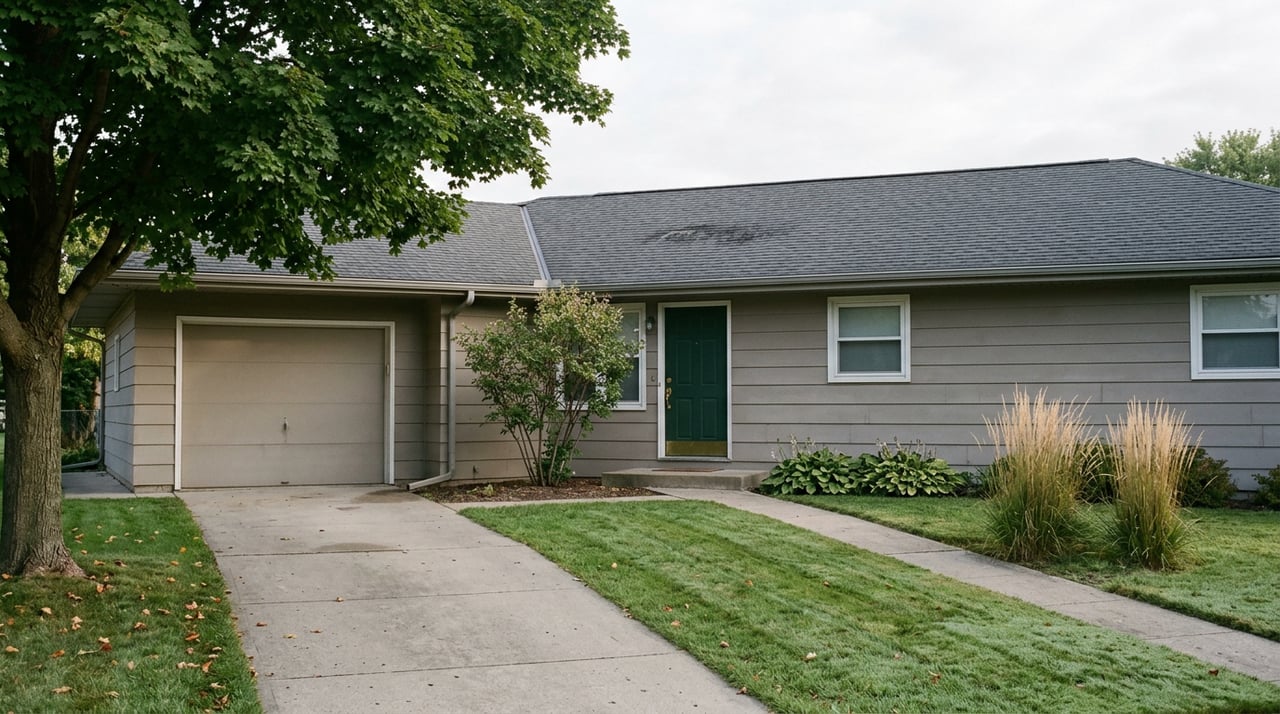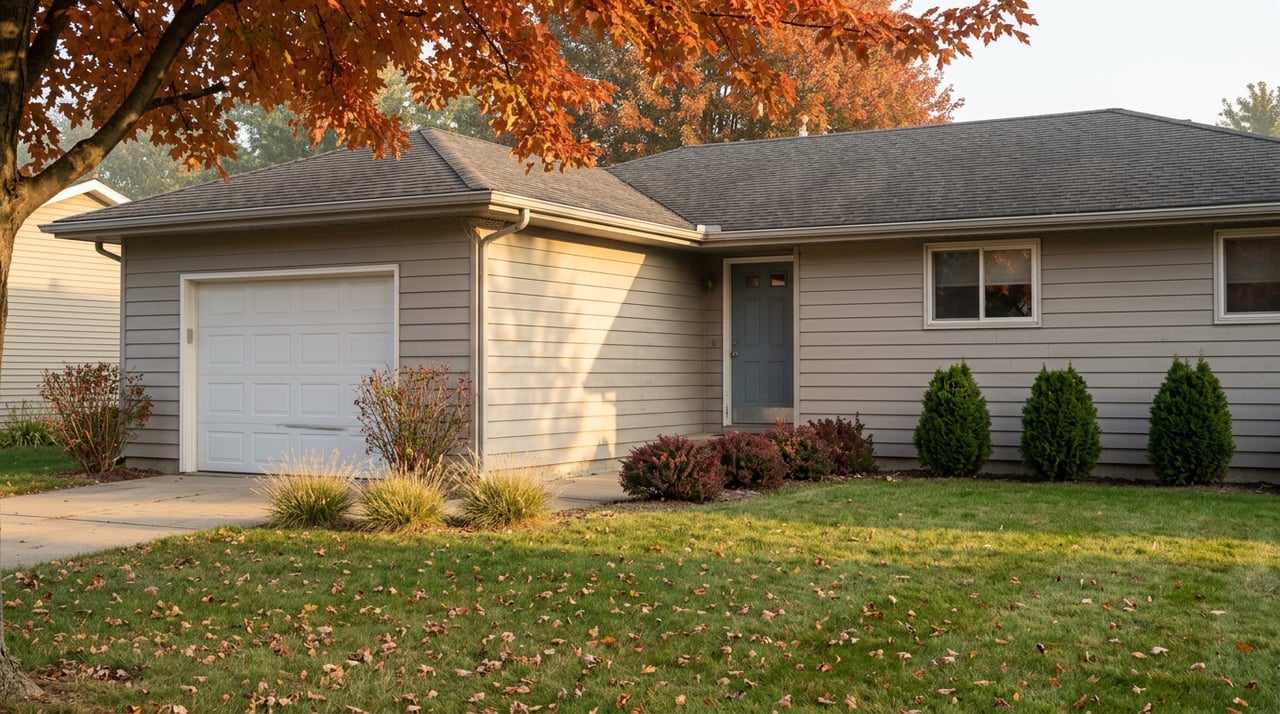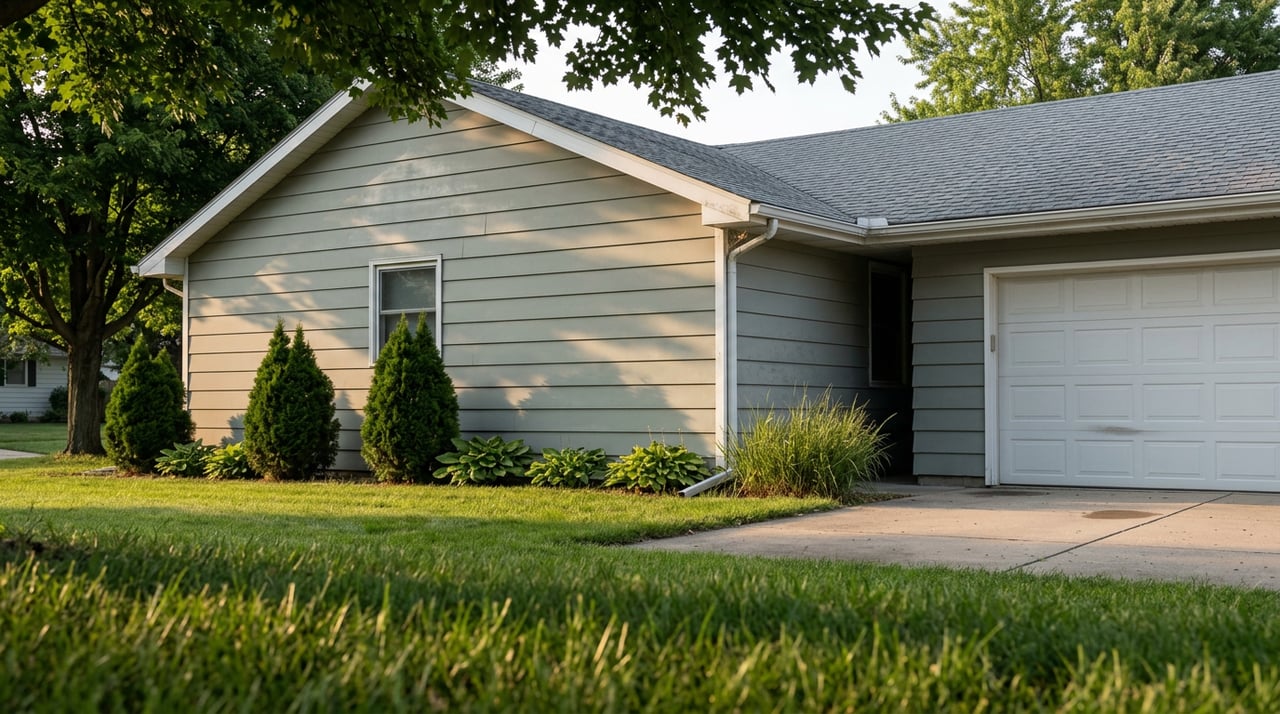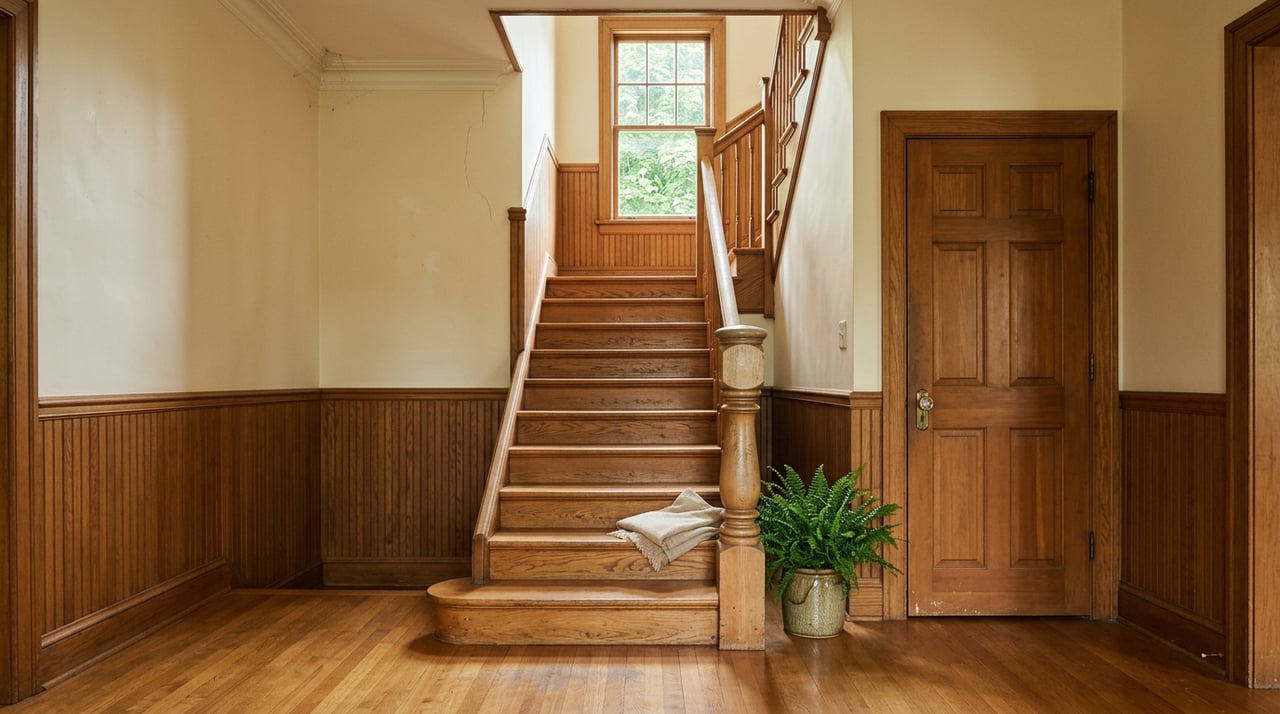
Here's how it usually goes. A buyer falls for a 1910s foursquare on a shaded street in Heritage Hill, or a bungalow in Eastown with the original woodwork still intact. The inspection turns up knob-and-tube wiring in the attic, which surprises no one who has bought a century-old house before. The buyer and seller negotiate a credit. Everyone assumes the wiring gets sorted out on a normal contractor's schedule, and the closing date holds.
Then the buyer calls their insurance agent to bind coverage, and the agent says the carrier will write the policy only if the knob-and-tube is fully replaced within 30 days. Then the buyer calls an electrician, who explains that pulling new wire through plaster walls in a house this age is not a weekend job. And if the inspection also flagged a chimney that needs relining or a window that needs replacing, someone eventually mentions that exterior work in Heritage Hill requires a Certificate of Appropriateness from the city before any permit gets pulled, and that approval runs on its own monthly calendar.
None of this shows up in a standard buyer's checklist. It's the part of an older-home purchase in Grand Rapids that only becomes visible once you're inside a transaction, and it's worth understanding before you write an offer, not after your closing date starts to slip.
Two Clocks, Same Repair
A knob-and-tube finding sets off two separate timelines that don't run at the same speed.
The insurance clock moves fast. Many carriers will only write standard coverage on a home with active knob-and-tube wiring if the buyer agrees to a full rewire within a set window, commonly 30 days from closing. Miss that window and the carrier can cancel the policy and notify the mortgage lender, which is a problem no one wants mid-loan.
The city clock moves on its own schedule. Any exterior change, addition, or repair to a property inside a locally designated historic district, which includes Heritage Hill, requires a Certificate of Appropriateness before the city will issue a building permit. That's a separate approval from the permit itself. Some projects can be signed off by planning staff. Others need a hearing in front of the Historic Preservation Commission, and those hearings happen on a monthly cycle with an application deadline that falls before the meeting date.
Rewiring itself is interior work, so it usually doesn't need a Certificate of Appropriateness on its own. But the roof, chimney, and window repairs that so often show up alongside old wiring on a Heritage Hill inspection report are exterior work, and those do fall under the review process. A seller who tells you "we'll get that fixed before closing" may be promising something the city's calendar won't allow inside a normal 30 to 45 day closing window.
What a Rewire Actually Costs Here
Locally, a panel upgrade alone typically runs $1,500 to $4,000. A full rewire of an older two-story home costs several thousand dollars more, and the number climbs once an electrician has to open plaster walls instead of drywall, or account for the knob-and-tube removal itself. Permit and inspection fees add to the total, and the City of Grand Rapids Building Safety Department requires a permit and inspection for any electrical work regardless of the home's age or district.
That cost is worth knowing before you're negotiating a credit at the closing table, because a seller's initial number and an electrician's actual quote for a plaster-walled Heritage Hill house rarely match.
The Exterior Findings That Slow Everything Down
A roof and chimney inspection is one of the most common big-ticket items on an older Heritage Hill home, and masonry chimneys in particular can need significant repair or relining. If that repair is visible from the street, it needs a Certificate of Appropriateness first. So does most exterior window and siding work.
Here's the table I'd want if I were sitting across from a buyer right now.
| Inspection Finding | Typical Neighborhoods | Rough Local Cost | Timeline Reality |
|---|---|---|---|
| Knob-and-tube wiring | Heritage Hill, Creston, West Side | $1,500–$4,000 panel upgrade, several thousand more for a full rewire | Interior work, no COA needed, but insurer often wants it done in 30 days |
| Chimney or roof repair | Heritage Hill | Varies by scope | Exterior work in a historic district needs a Certificate of Appropriateness before a permit is issued |
| Window replacement | Heritage Hill | Varies by scope | Same COA requirement, plus Secretary of the Interior's Standards guide what's approved |
| Sewer lateral (cast iron or clay) | Any pre-1970s home | $150–$400 to scope, $10,000-plus to replace if failed | No COA, but excavation and city sewer tap coordination take time |
| Radon | Citywide, all ages | $800–$2,000 for mitigation | No COA, one-day install once scheduled |
| Asbestos or pre-1978 lead paint | Pre-1980 homes citywide | Varies by scope of renovation | Requires certified contractors under EPA rules, which narrows who you can hire quickly |
The pattern across that table isn't the individual dollar figures. It's that half these findings run on a normal contractor's schedule, and the other half run on a government calendar that doesn't bend for your closing date.
Radon Is the One Nobody Argues About, Which Is Exactly the Problem
Radon doesn't trigger any historic district review, and it isn't dramatic the way a knob-and-tube discovery is. That's part of why it gets skipped. Kent County carries an EPA Radon Zone rating of 2, which predicts average indoor screening levels between 2 and 4 picocuries per liter, and the county's own tracking still shows roughly 17 percent of test results landing at or above the EPA's action level of 4.0. In a statewide radon update from January 2026, Michigan's environmental agency put the share of Michigan homes with elevated radon at an estimated 25 percent, compared to about 7 percent nationally. A moderate zone rating on paper doesn't mean your specific basement tests moderate. The Kent County Health Department distributes free test kits every January during Radon Action Month and sells them the rest of the year.
If a test comes back elevated, mitigation in Grand Rapids typically runs $800 to $2,000, with most standard basements landing in the $1,000 to $1,500 range for a sub-slab depressurization system, and the installation itself is usually a one-day job. Compared to the electrical and exterior timeline problems above, radon is the easy fix. Test for it anyway. A zone rating is a prediction, not a result.
Sewer Scope: A Cheap Test Against an Expensive Miss
Cast iron sewer laterals have a working life of around 75 years, and most homes built before 1970 in these older neighborhoods are approaching or past that mark. A camera inspection of the lateral runs $150 to $400 as an add-on to a standard home inspection. A full lateral replacement, if the scope finds a real problem, can run $10,000 to $15,000 and sometimes more, since the pipe sits 10 to 15 feet below grade and needs excavation to reach.
This one doesn't touch the historic district review process either. It's a straightforward cost-versus-risk decision, and in a neighborhood built mostly before 1980, it's one worth making before you close rather than after a backup shows up in the basement.
If You're Renovating Right After Closing, Check Your Contractor's Certification First
Homes built before 1980 commonly contain legacy materials, including asbestos in floor tile, adhesives, and older roofing, and homes built before 1978 fall under the EPA's Renovation, Repair and Painting Rule, which requires lead-safe certified work practices any time a contractor disturbs paint. That doesn't add a city approval step, but it does shrink your contractor pool right when you need one, since not every general contractor carries that certification.
If your plan is to close on a Heritage Hill or Eastown house and start renovating within weeks, ask contractors about their RRP certification during your bidding process, not after you've already signed a contract.
Building Your Timeline Before You Write the Offer
A few things I tell buyers looking at older housing stock in these neighborhoods:
Get a licensed electrician's assessment during your inspection window, not just the general inspector's note about knob-and-tube presence. You want a real quote before you're negotiating a credit.
Ask your insurance agent directly whether the specific policy they're quoting has a rewire deadline attached, and get that in writing before you waive your financing contingency.
If the inspection turns up exterior items like a chimney or roof section, ask the seller whether any Certificate of Appropriateness application has already been filed with the city. A head start on that process can save you weeks after closing. You can see the process and current guidelines on the city's Historic Preservation Commission page.
And if radon or a sewer lateral issue turns up, treat those as the easy negotiations. They don't touch the historic review calendar, and they're usually resolved faster and for less money than the electrical and exterior findings that do.
A Few Questions Worth Asking Directly
Does this apply to Eastown and Creston the same way it applies to Heritage Hill? Not exactly. The Certificate of Appropriateness requirement applies specifically to properties inside a locally designated historic district or on a historic landmark. Heritage Hill is the largest example of that in Grand Rapids. Eastown and Creston have plenty of homes from the same era with the same wiring and plumbing realities, but without the same exterior review layered on top, which can actually make repairs move faster once you're past closing.
Is radon testing required to close on a home in Grand Rapids? No. It's not a legal requirement, but the Kent County Health Department and Michigan's own environmental agency both recommend testing every home, given how much readings vary house to house even within the same block.
Do lenders require a sewer scope? Not typically. It's a buyer-requested add-on, which is exactly why it gets skipped more often than it should on a pre-1970s house.
If you're looking at an older home in Grand Rapids and want a straight answer on what an inspection report actually means for your closing timeline, that's a conversation worth having before you're under contract, not after. I spent thirteen years in construction before I got into real estate, and reading these reports for what they actually mean, not just what they list, is where that background earns its keep.
Schedule a Free Consultation with Jason Woodard and let's walk through what a specific property's condition means for your budget and your calendar before you're locked into either one.